New Doors · Mississauga
Wind-Rated Garage Door Replacement
Your building designer has supplied positive and negative pressure values for the garage opening.
In plain words
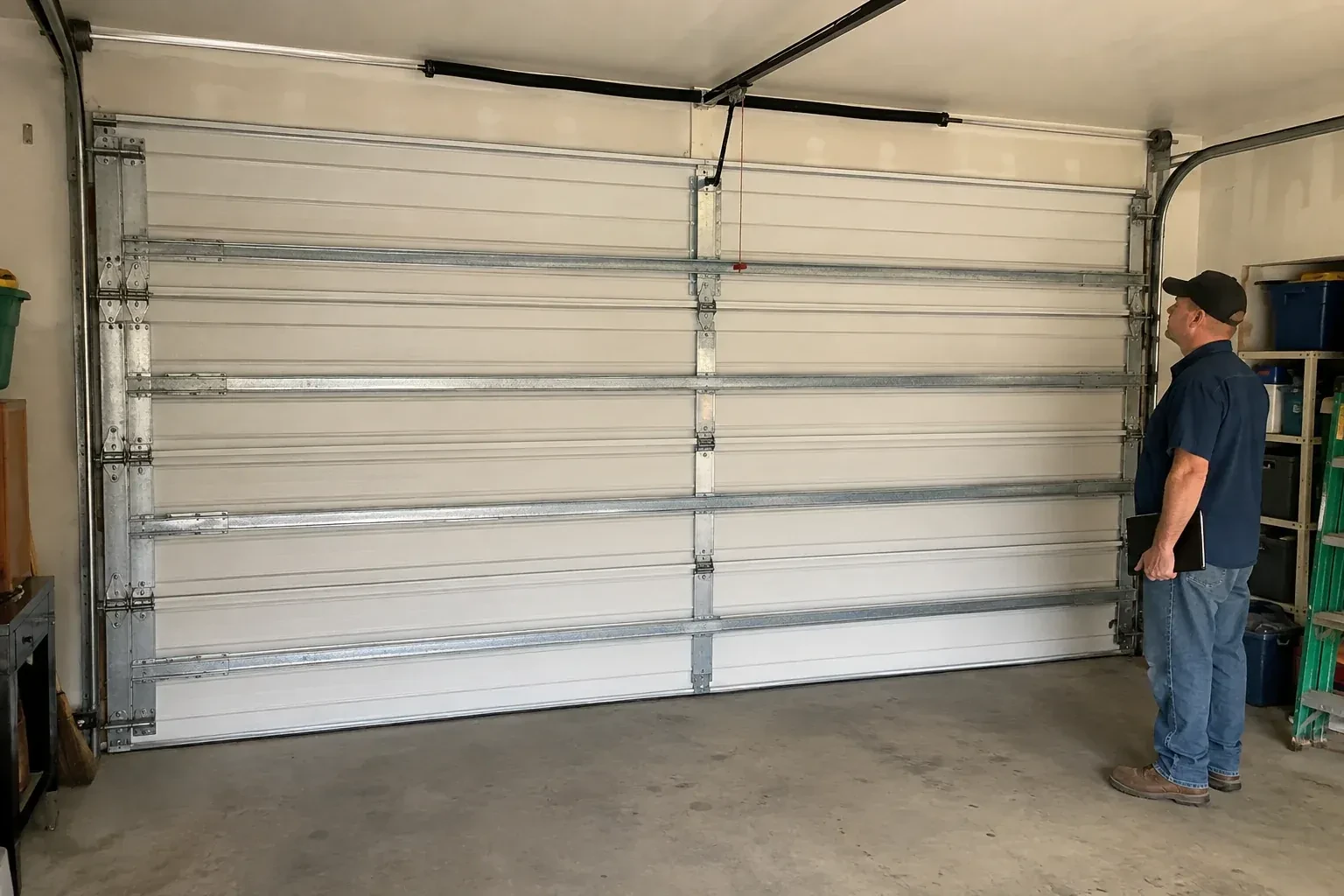
A wide garage opening collects a substantial wind load because pressure acts across the full door area. This service replaces a flexible or undocumented door with an assembly selected for that span and the project's required inward and outward pressures. The technician checks how the tracks attach to the jambs and how those jambs connect to the building, since that is the load path into the framing. Installation finishes with spring setup, alignment, sealing, manual balance, and operator safety tests so structural reinforcement and daily operation work together.
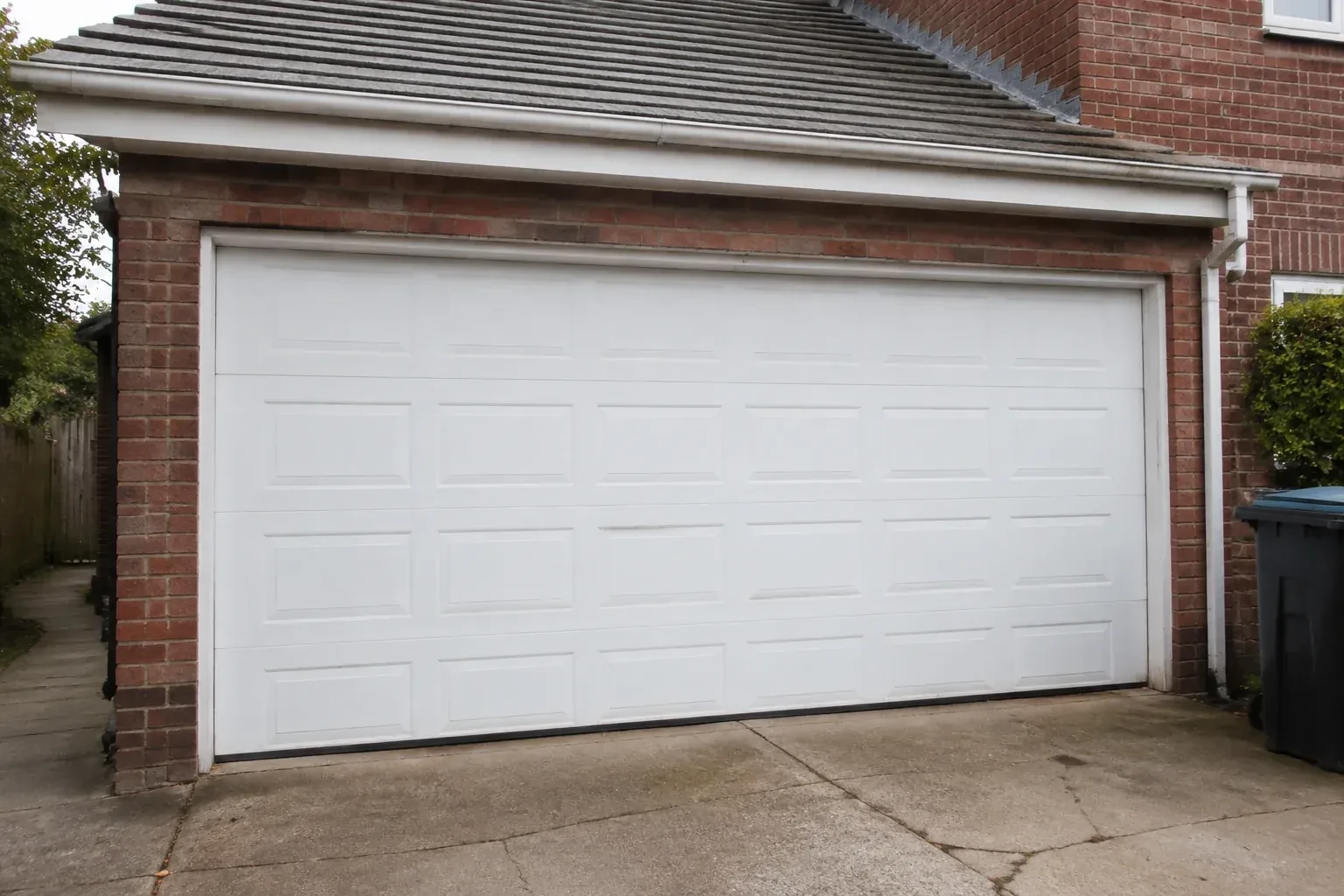
How the visit goesThe current double door shudders when pressure changes outside, and daylight appears briefly along one edge. Its tracks are light, the jamb material is aging, and no one knows which reinforcement was originally specified.
Wind-Rated Garage Door Replacement
How the visit goes
Map access and installation conditions
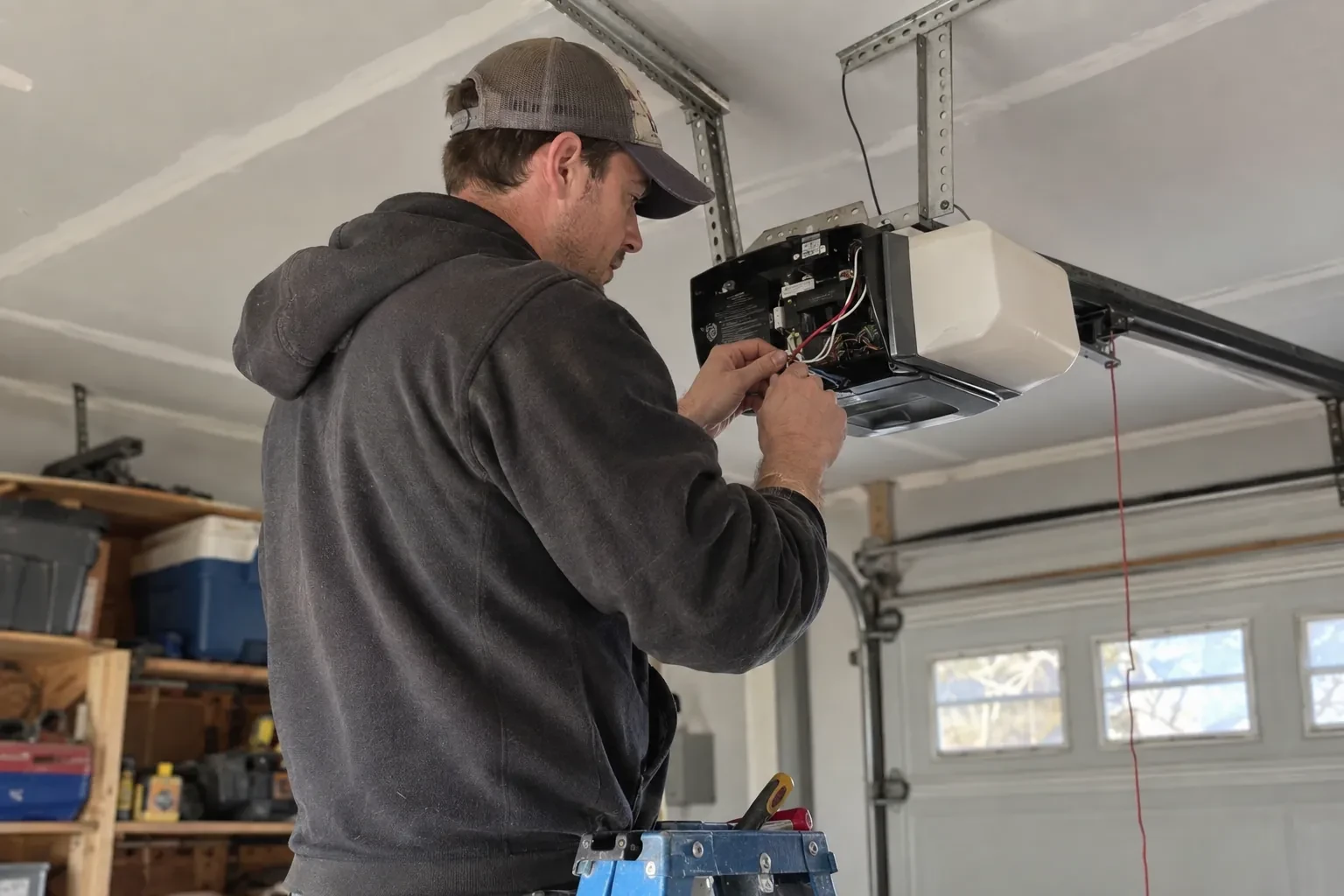
The final pre-work check covers the room needed to dismantle the old system and assemble the new one. Vehicles, storage racks, lighting, heaters, ducts, low ceilings, and finished walls can affect safe access or track support locations. The technician confirms a clear route for full-width sections and identifies surfaces that should be protected. Disposal requirements, electrical disconnection, permit responsibilities, and documentation handoff are also reviewed, turning the replacement from a product choice into an organized site plan.
Integrate windows and perimeter seals
Where the selected door includes glazing, factory-prepared sections and retainers are assembled according to that configuration. The technician checks that inserts, frames, and seals sit evenly without interfering with nearby struts or hinges. A bottom retainer and seal follow the floor contour, while side and top weatherstrip meet the face of the closed door with consistent contact. Careful sealing supports comfort and moisture control, and the planned section layout keeps the window choice aligned with the reinforcement design.
Simple seasonal observation
A few visual checks help preserve the installed configuration. From inside the closed garage, look for loose strut or hinge fasteners, rollers moving out of line, daylight at the seals, corrosion, or changes in the jamb material. Clear leaves and grit from the floor near the tracks, and keep stored items away from moving parts. After freeze-thaw weather, note whether the bottom seal remains seated evenly. Any developing bow, rub, or unusual noise provides a clear reason to arrange a closer inspection.
Wind-Rated Garage Door Replacement
In the van
Long-stem rollers
Horizontal reinforcing struts
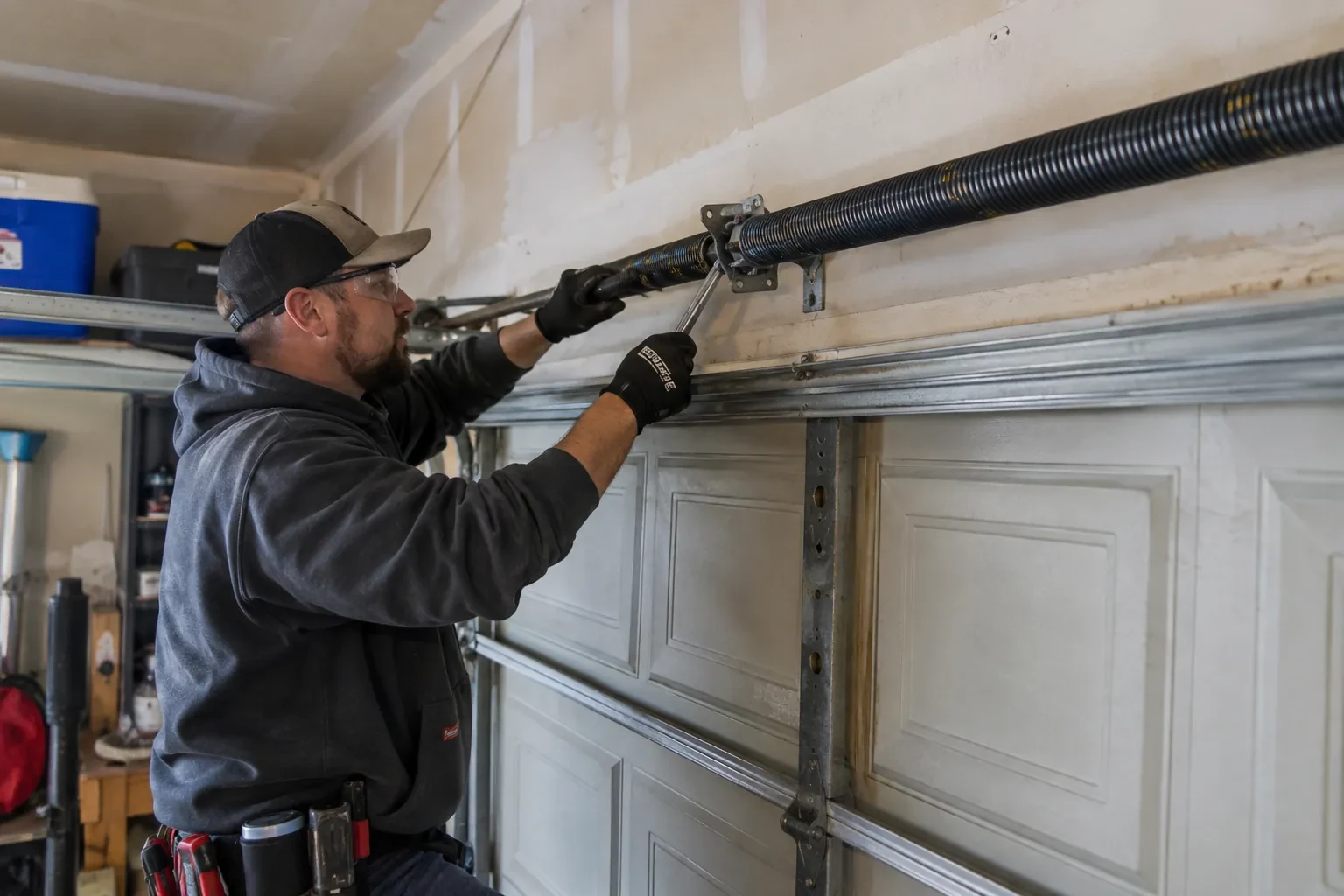
Lift cables and drums
Reinforced end hinges
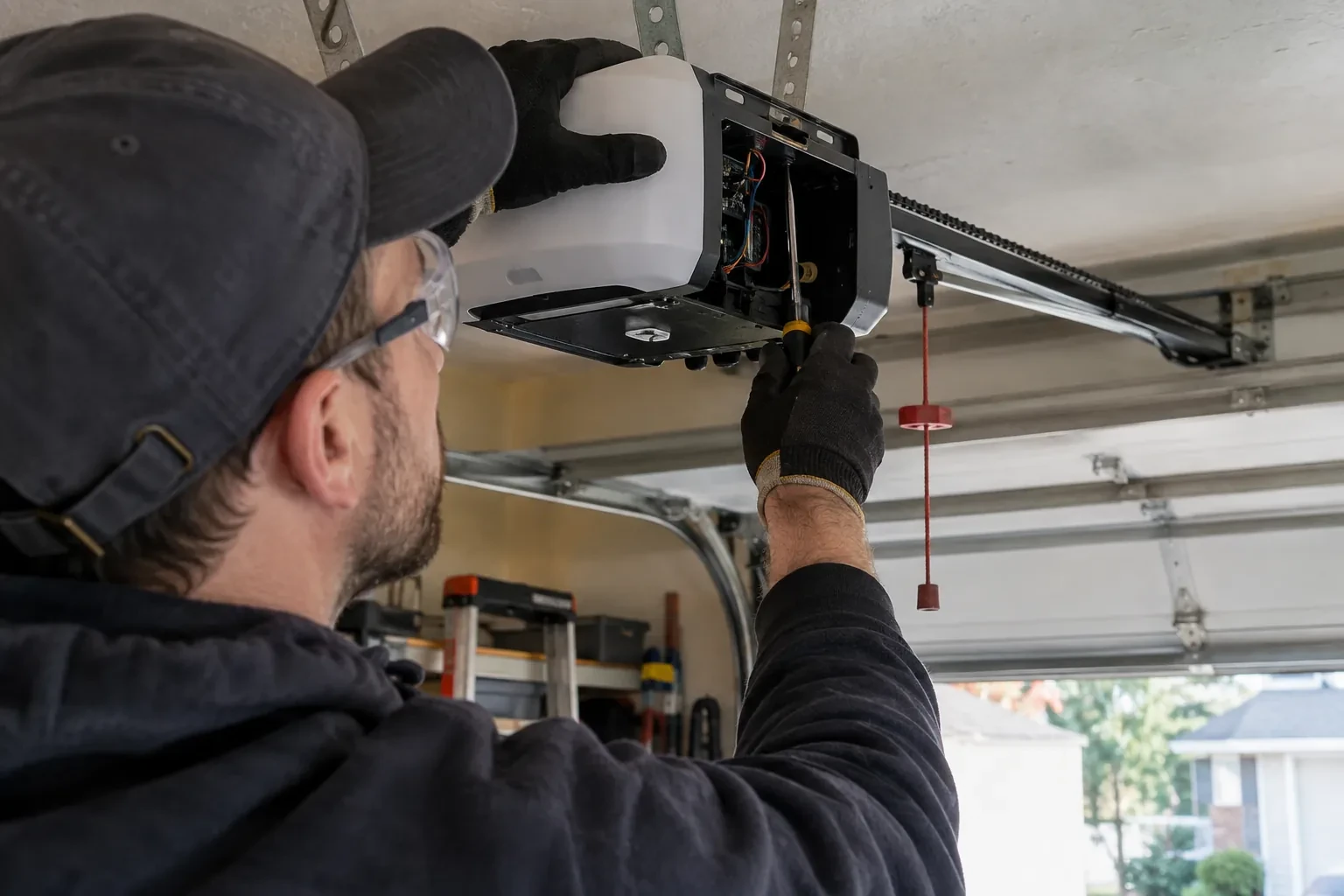
Operator reinforcement bracket
Wind-Rated Garage Door Replacement
What affects the quote
Jamb and framing condition
Sound mounting faces support accurate anchorage. Split lumber, weak blocking, deteriorated material, or unfinished structural changes may require coordinated preparation before door installation.
Headroom and ceiling obstructions
Low ceilings, beams, ducts, lighting, heaters, storage racks, and sloped roofs can change the lift arrangement, rear supports, and installation access.
Counterbalance system
Door weight, height, drums, shaft arrangement, lift type, and spring cycle choice determine the torsion components and setup needed for balanced movement.
What to have ready
- Do ceiling beams, ducts, shelving, or lighting limit track space?
- Are you changing the size or structure of the opening?
- What type and age is the existing garage door opener?
Wind-Rated Garage Door Replacement: questions
QuestionsHow do insulation and weather seals fit into the project?
Insulated section construction can add stiffness, comfort, and weight, while perimeter seals limit drafts and ordinary moisture entry around the closed door. These choices are coordinated with the wind-rated configuration rather than selected separately. Bottom seal contact, side weatherstrip, and top seal alignment are checked during handover so the reinforced assembly also closes neatly for daily use.
How is the new door tested after installation?
Technicians cycle it by hand to assess balance, cable tracking, roller travel, clearances, and seal contact. After the operator is connected, they set the open and close limits, confirm the manual release, interrupt the photoelectric beam, and conduct the prescribed contact-reversal check. Hardware and reinforcement receive a final visual review with the door closed and raised.
How is the required wind pressure determined?
The value comes from the applicable building-code process and project information, often with input from a designer or municipal building official. Reference wind pressure, exposure, building height, opening size, wall location, importance category, and internal pressure can contribute. A street address or a general weather description alone is not a complete design basis.
Related services
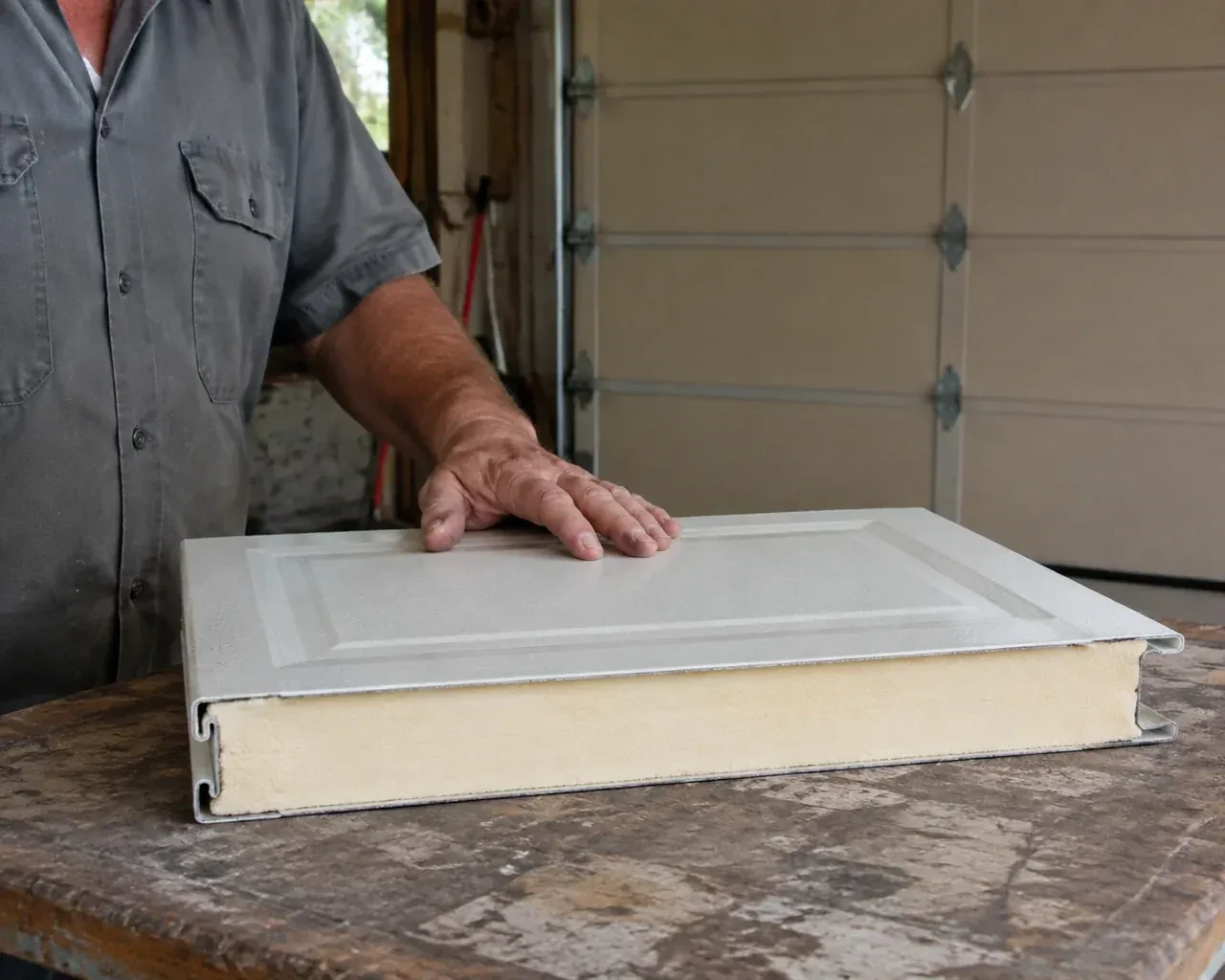
- Insulated Steel Garage Door InstallationThe existing door opens on old tracks that crowd storage near the ceiling.
- Carriage-House Garage Door InstallationYou appreciate the grain and depth of traditional wood doors, though regular refinishing is not part of your plan.
- Full-View Glass Garage Door InstallationThe garage works as a studio during the day, yet the closed solid door leaves it dependent on electric lights.