Garage Doors in Lisgar, OntarioBalanced doorsspare the opener.
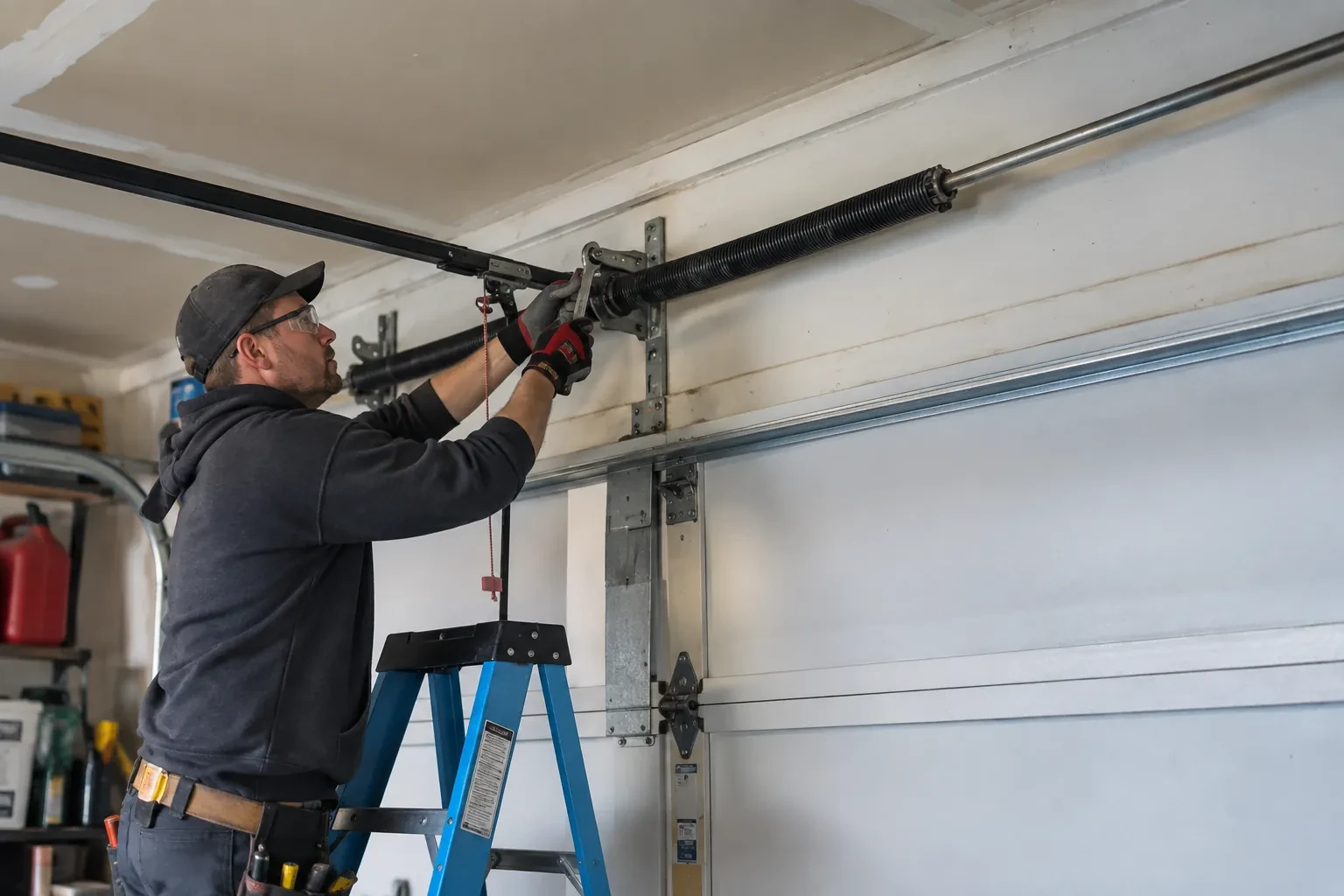
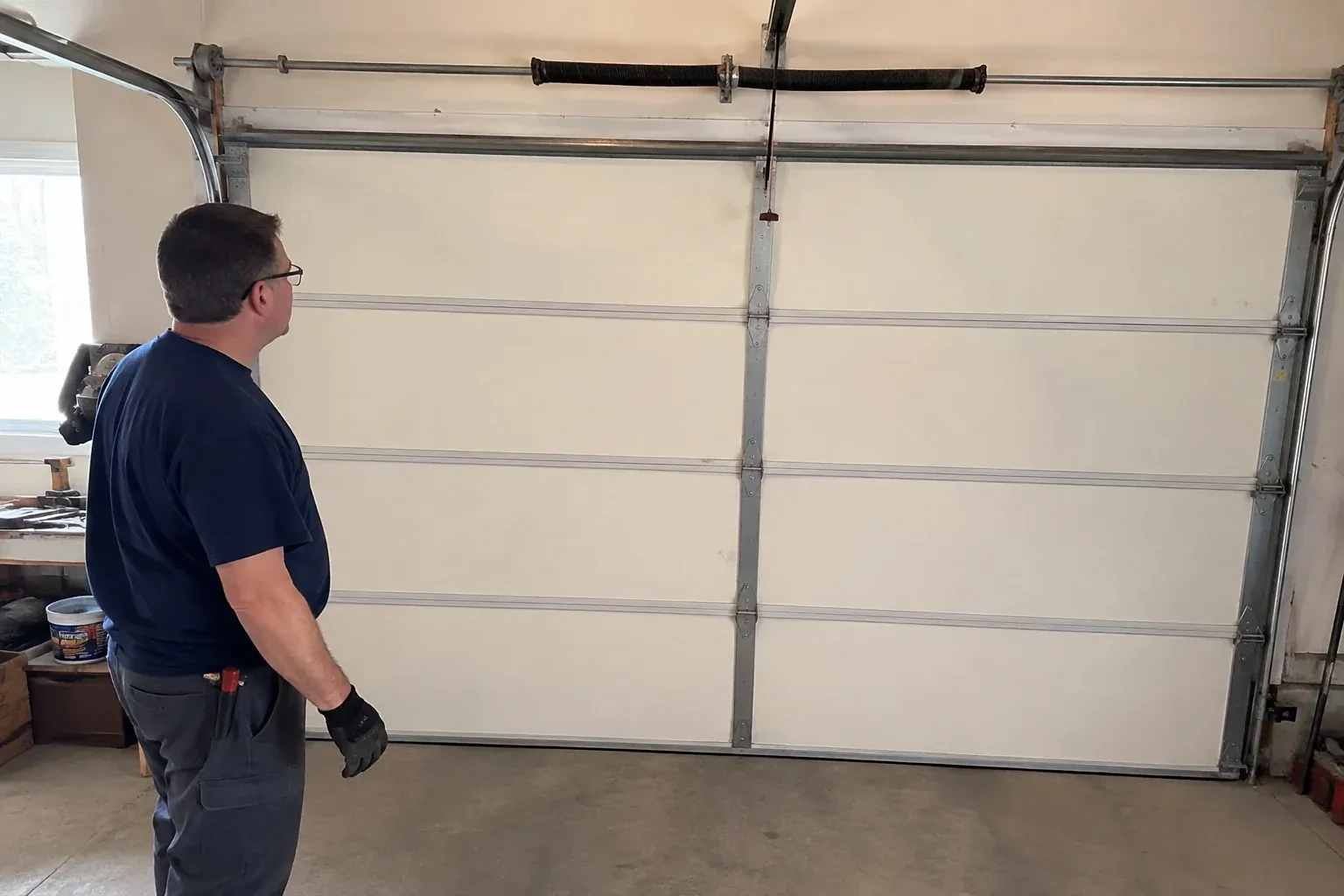
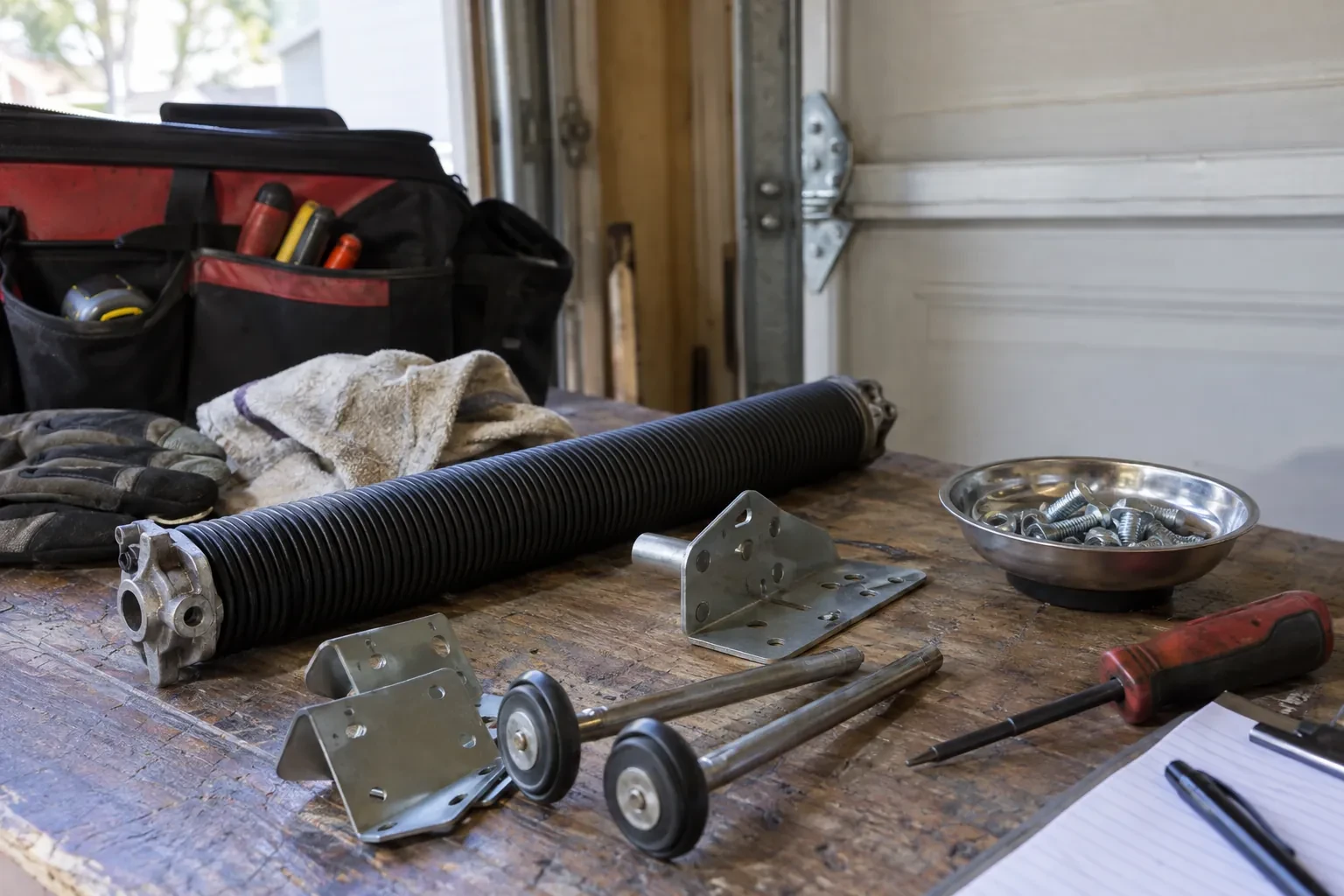
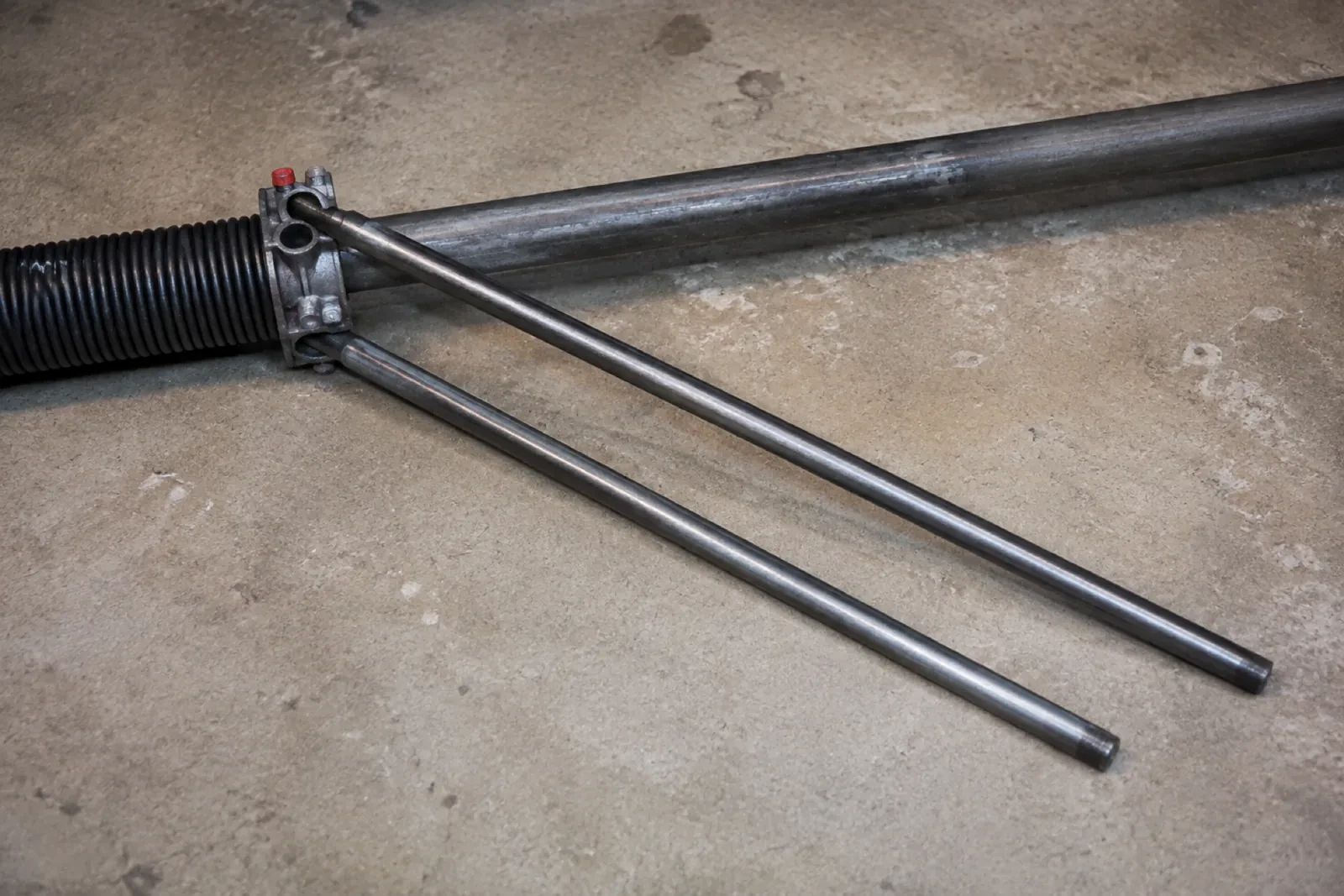
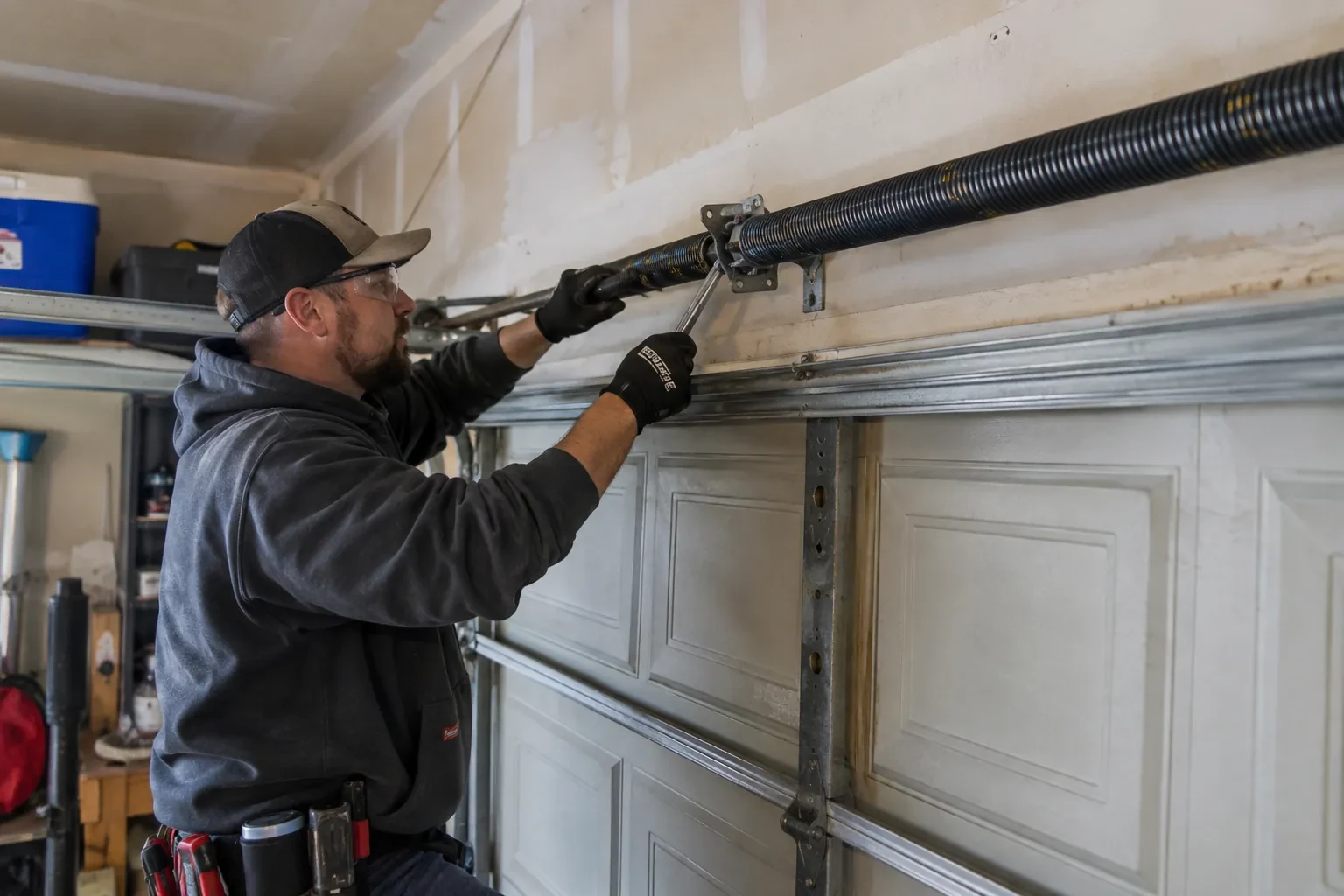
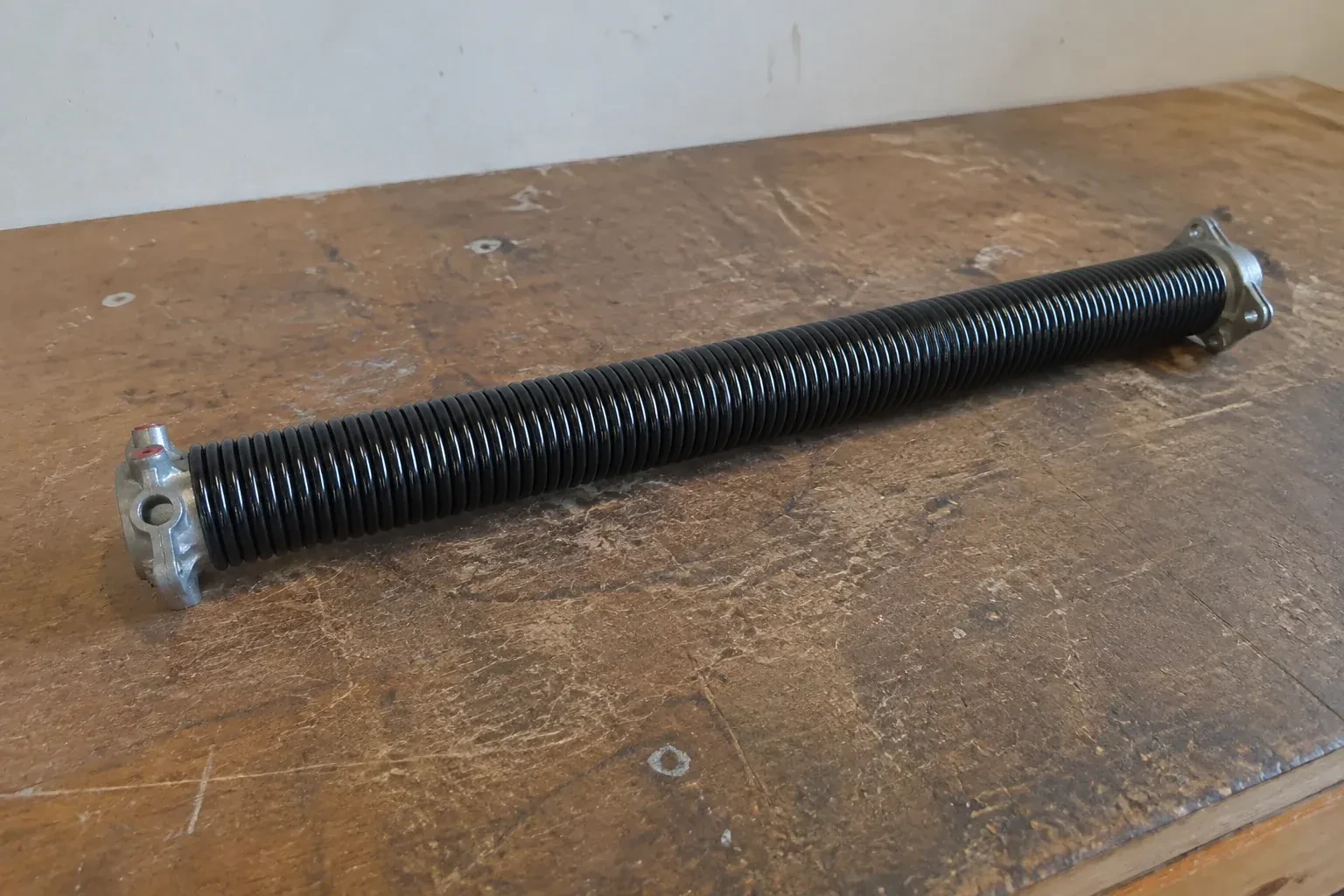
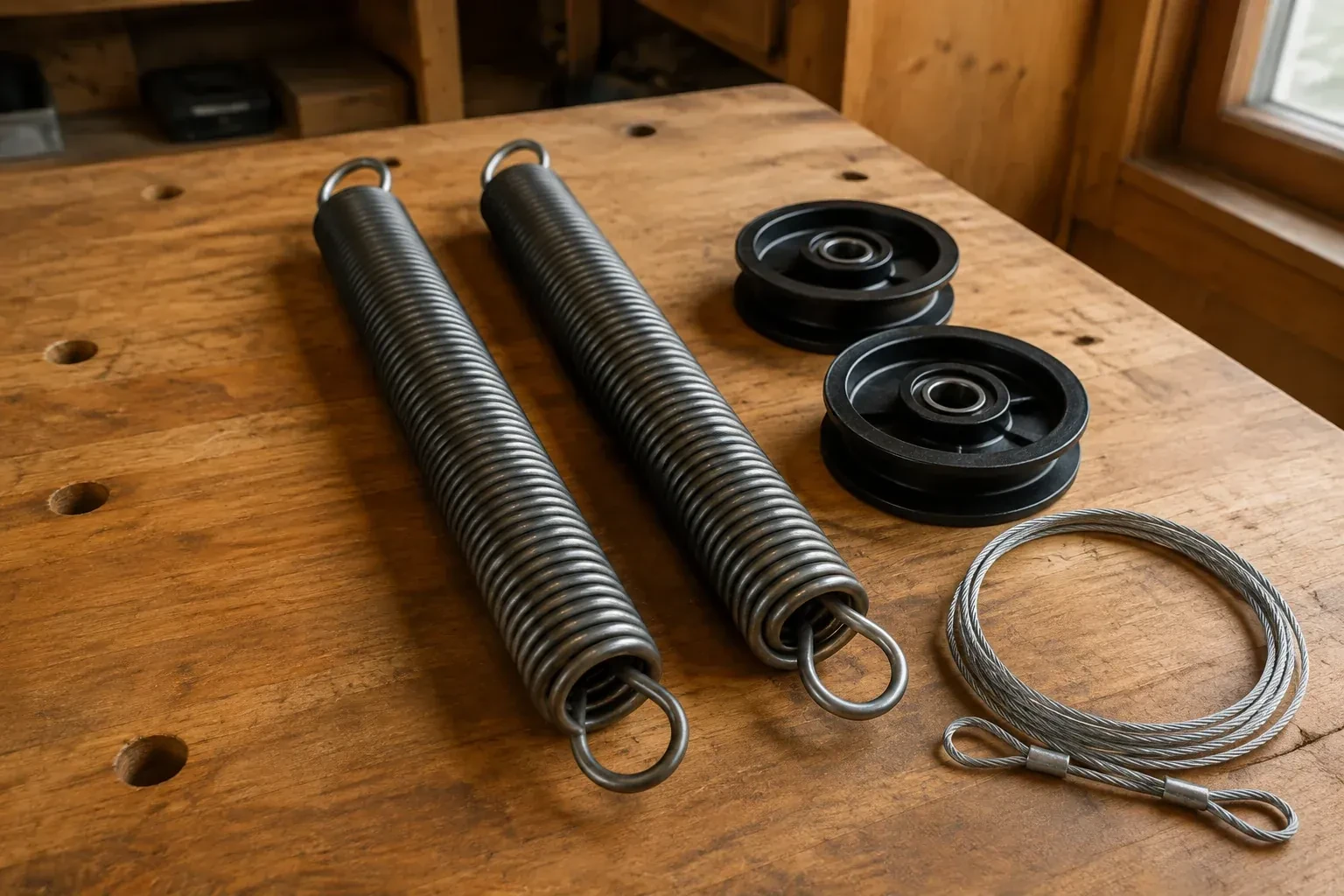
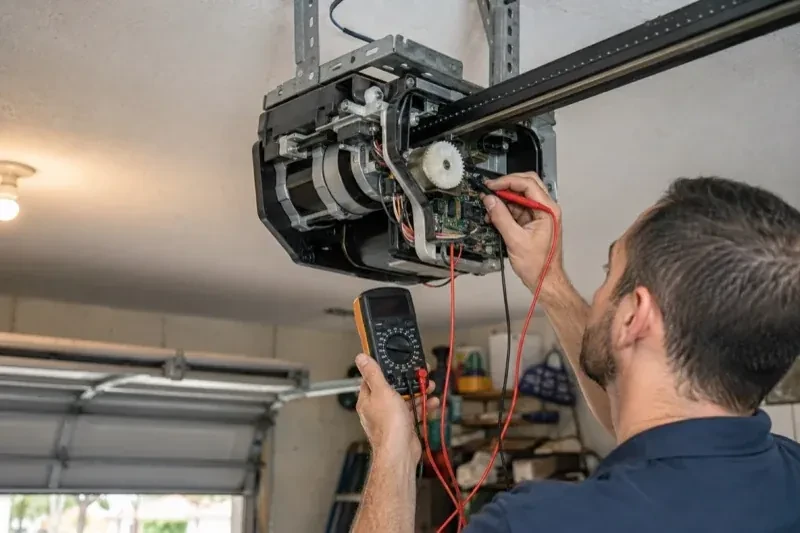
A door that drifts down or floats up when you pull the release is out of balance, and the opener has been lifting weight it was never designed for. We set the springs on doors in Lisgar so the door rests wherever you leave it, which spares the motor, the gear and the rail.
A door that drifts down or floats up when you pull the release is out of balance, and the opener has been lifting weight it was never designed for. We set the springs on doors in Lisgar so the door rests wherever you leave it, which spares the motor, the gear and the rail.
A door you barely notice.
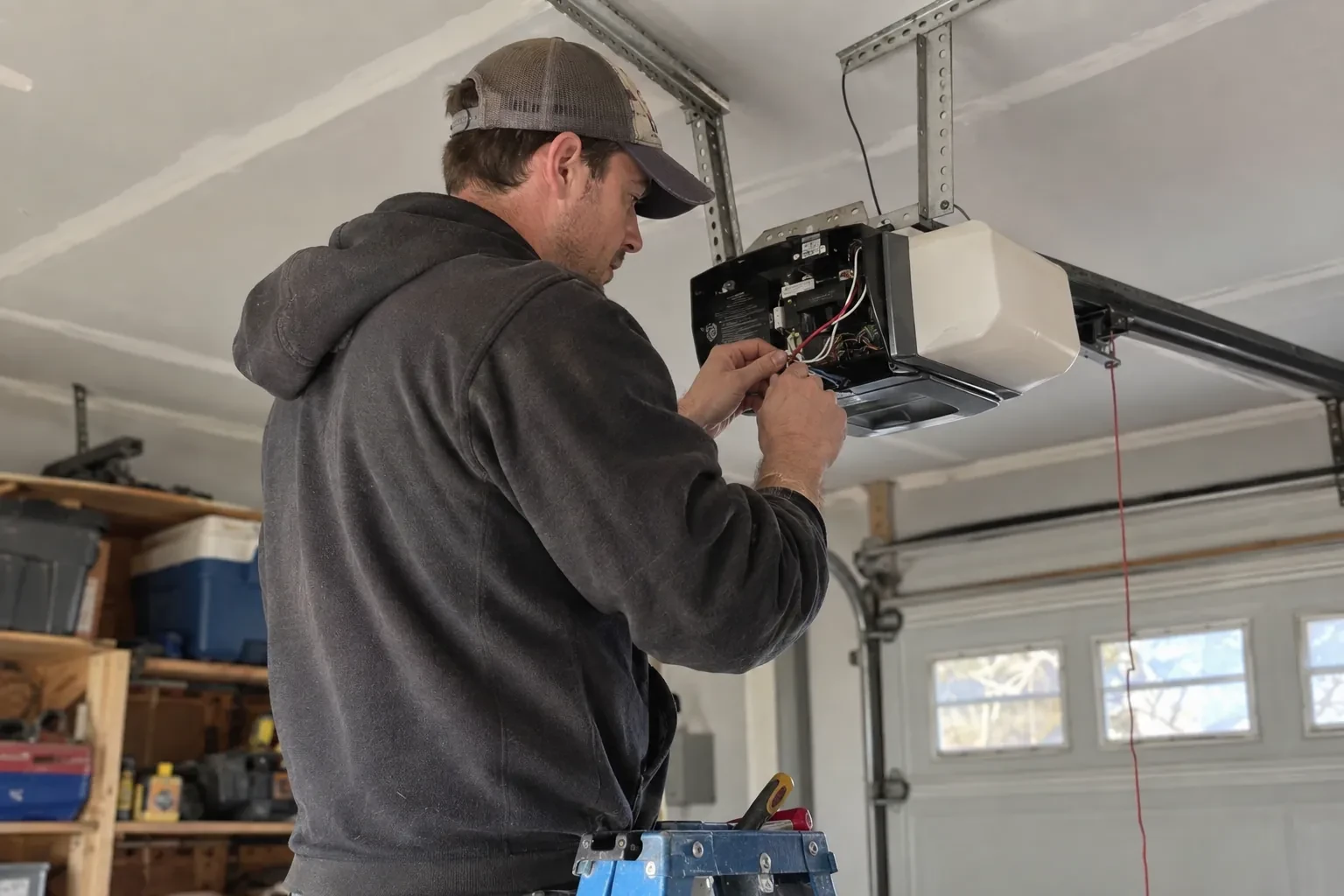
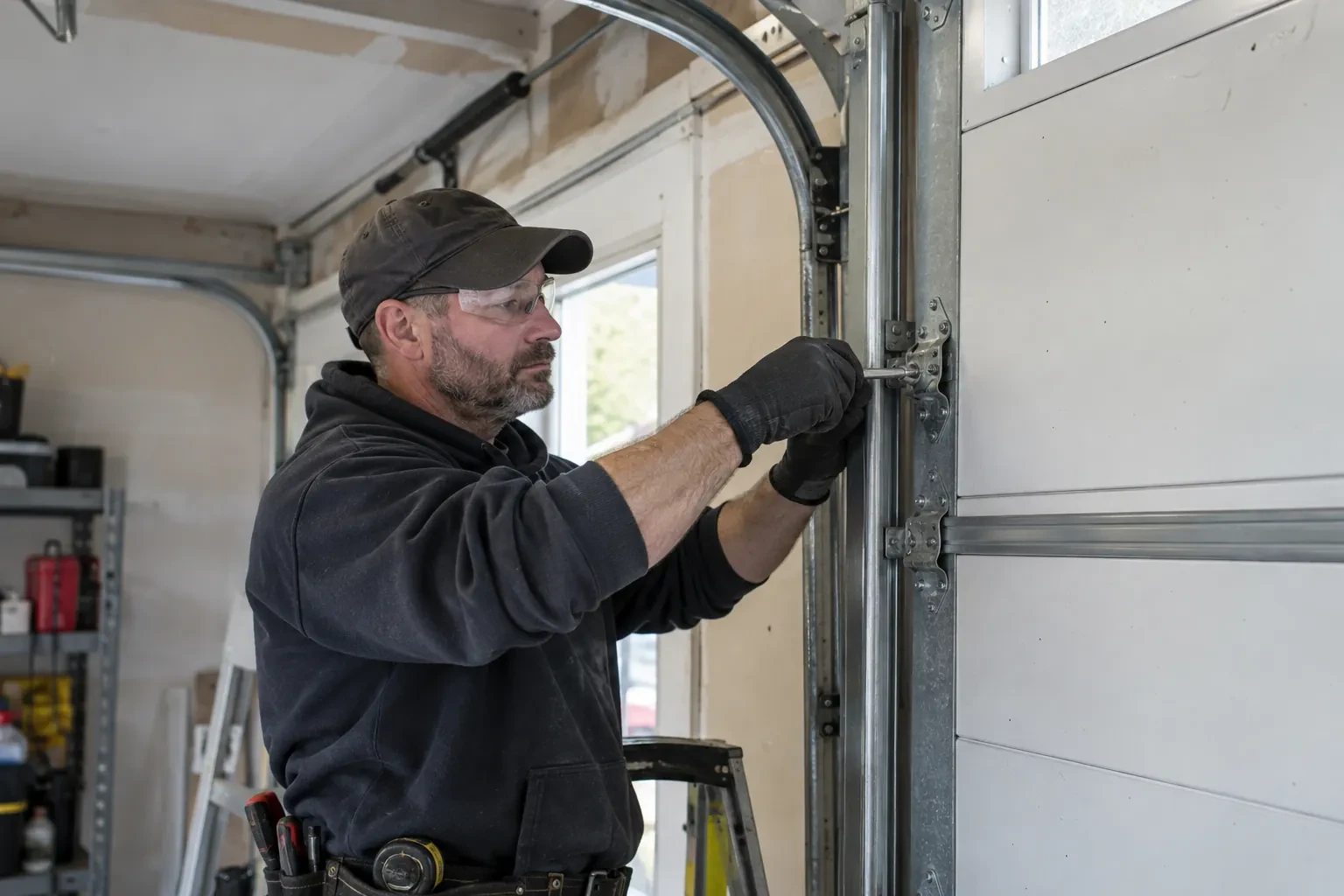
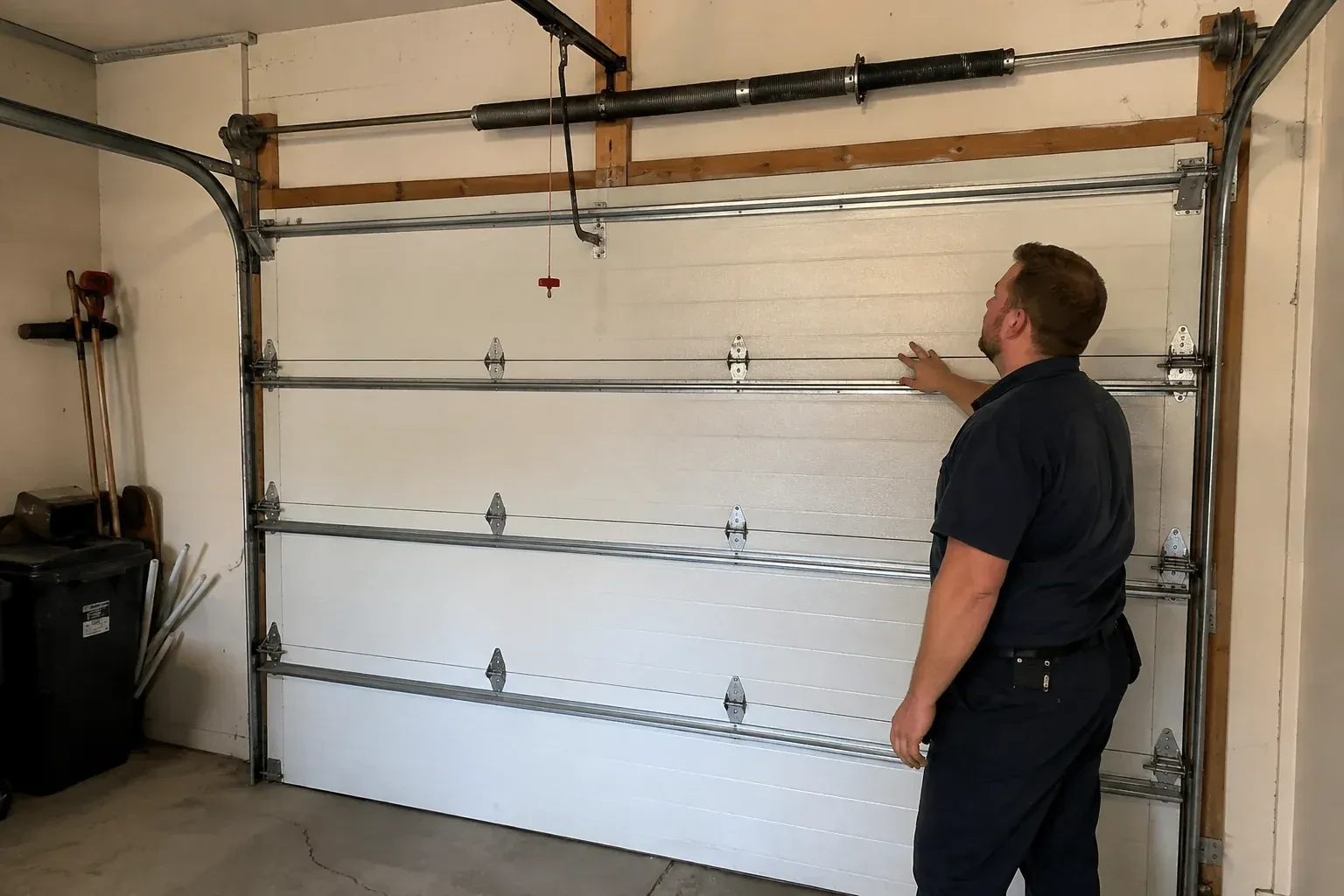
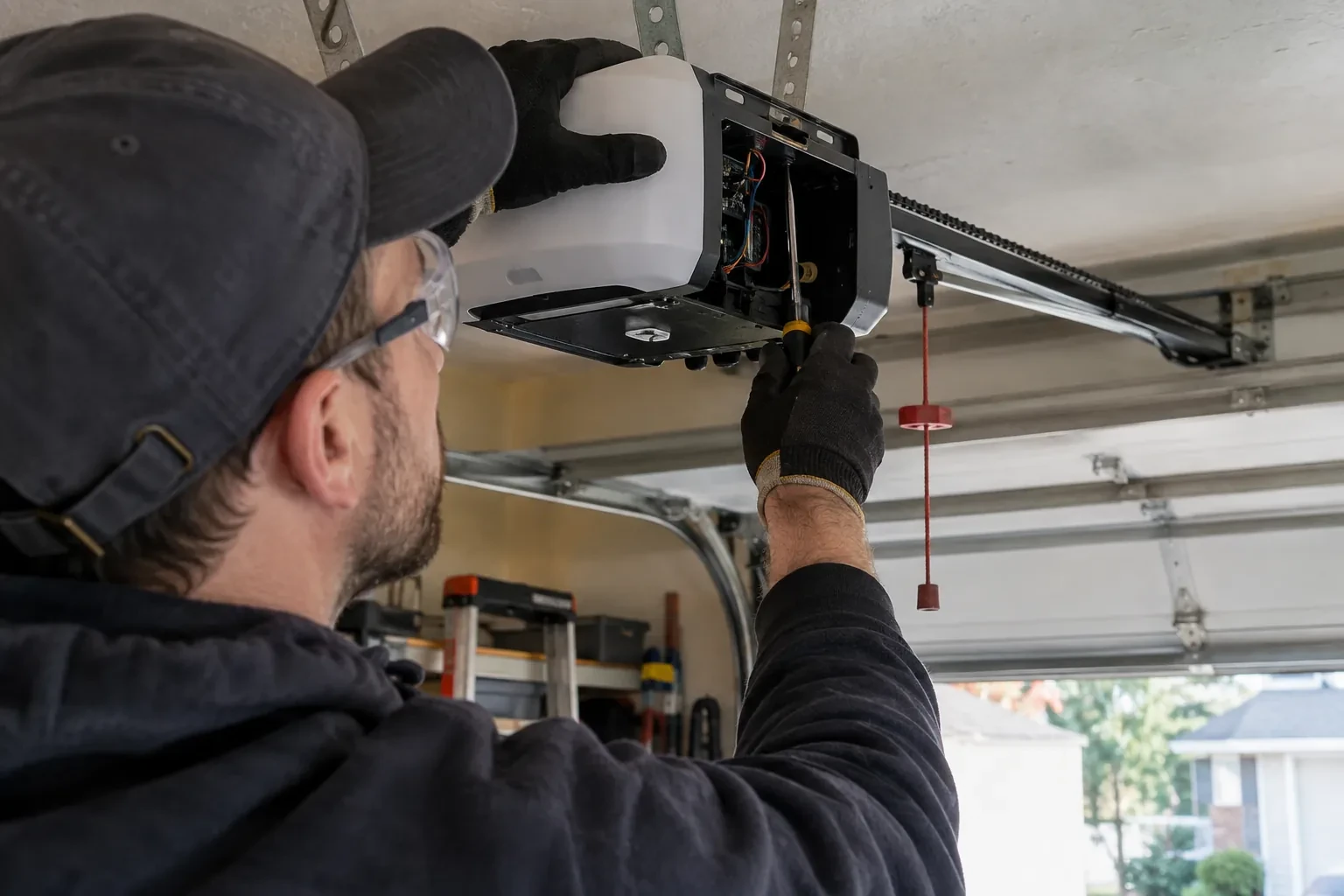
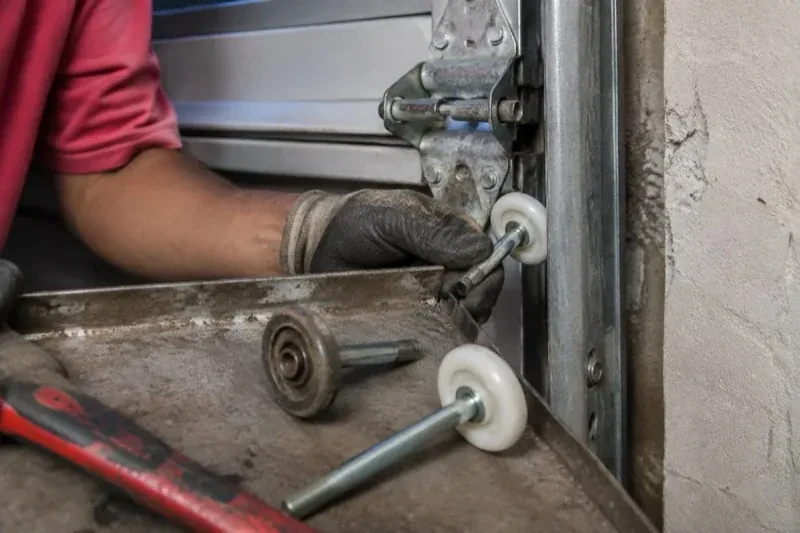
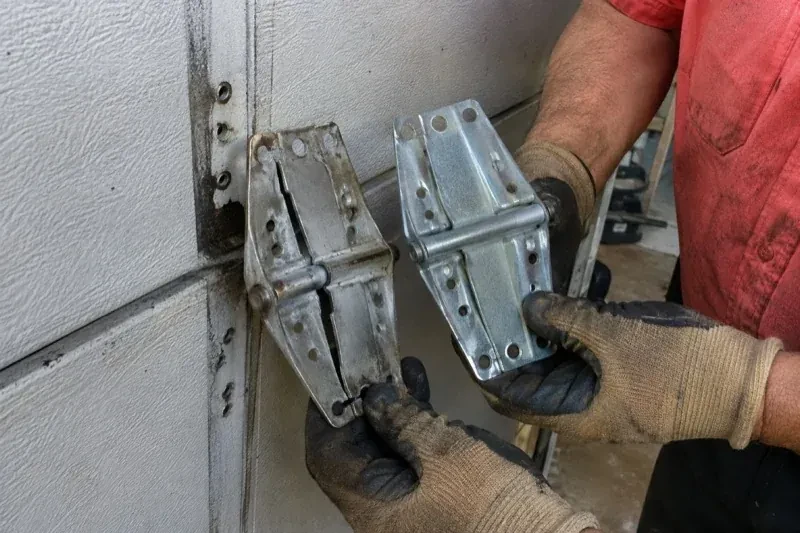
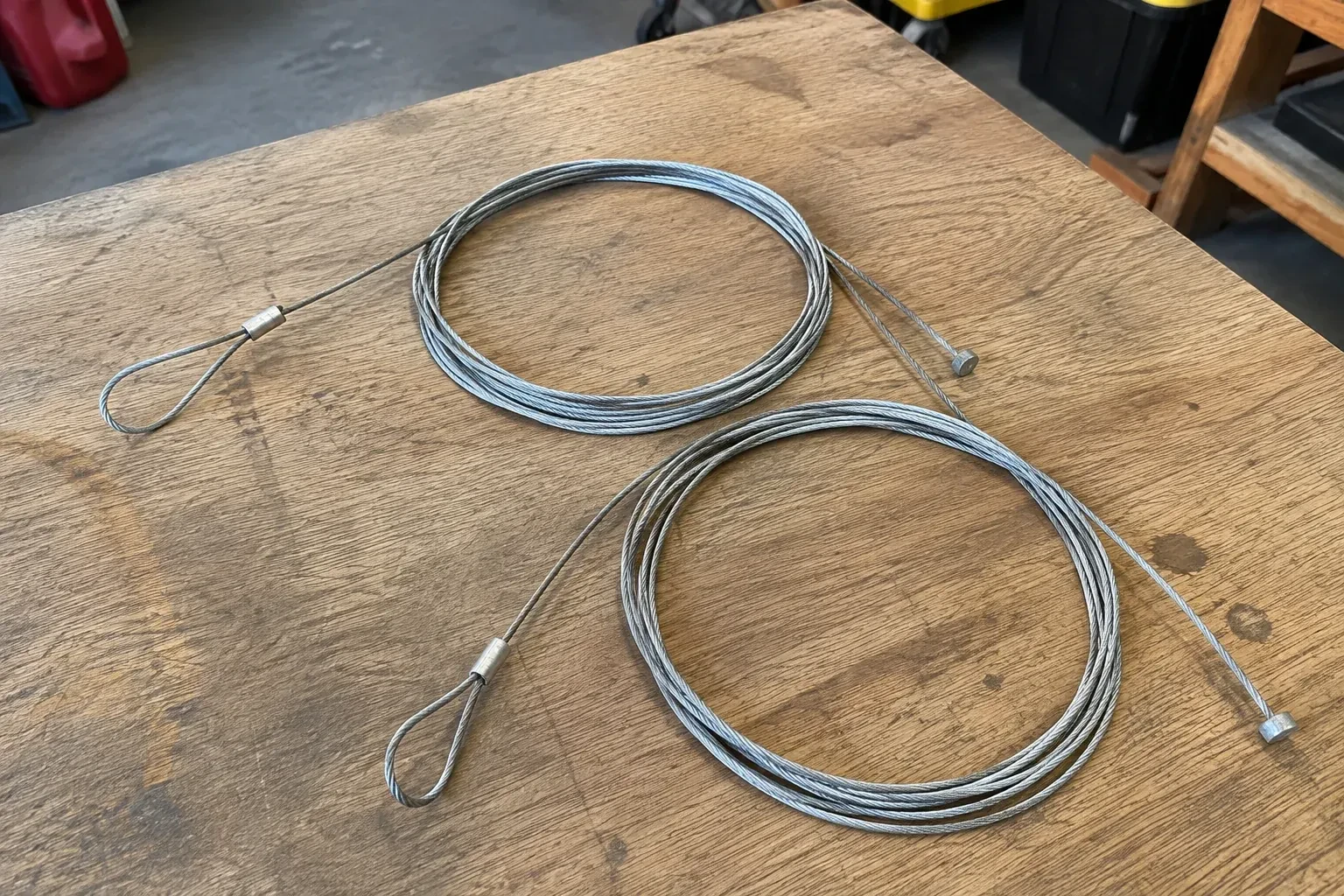
Our technicians treat a door in Lisgar as a system: springs, cables, drums, rollers, tracks, opener and sensors all affecting each other. A repair that ignores the neighbouring parts fails early, so we check the lot, fix what is worn, and tell you honestly what is fine and can wait.
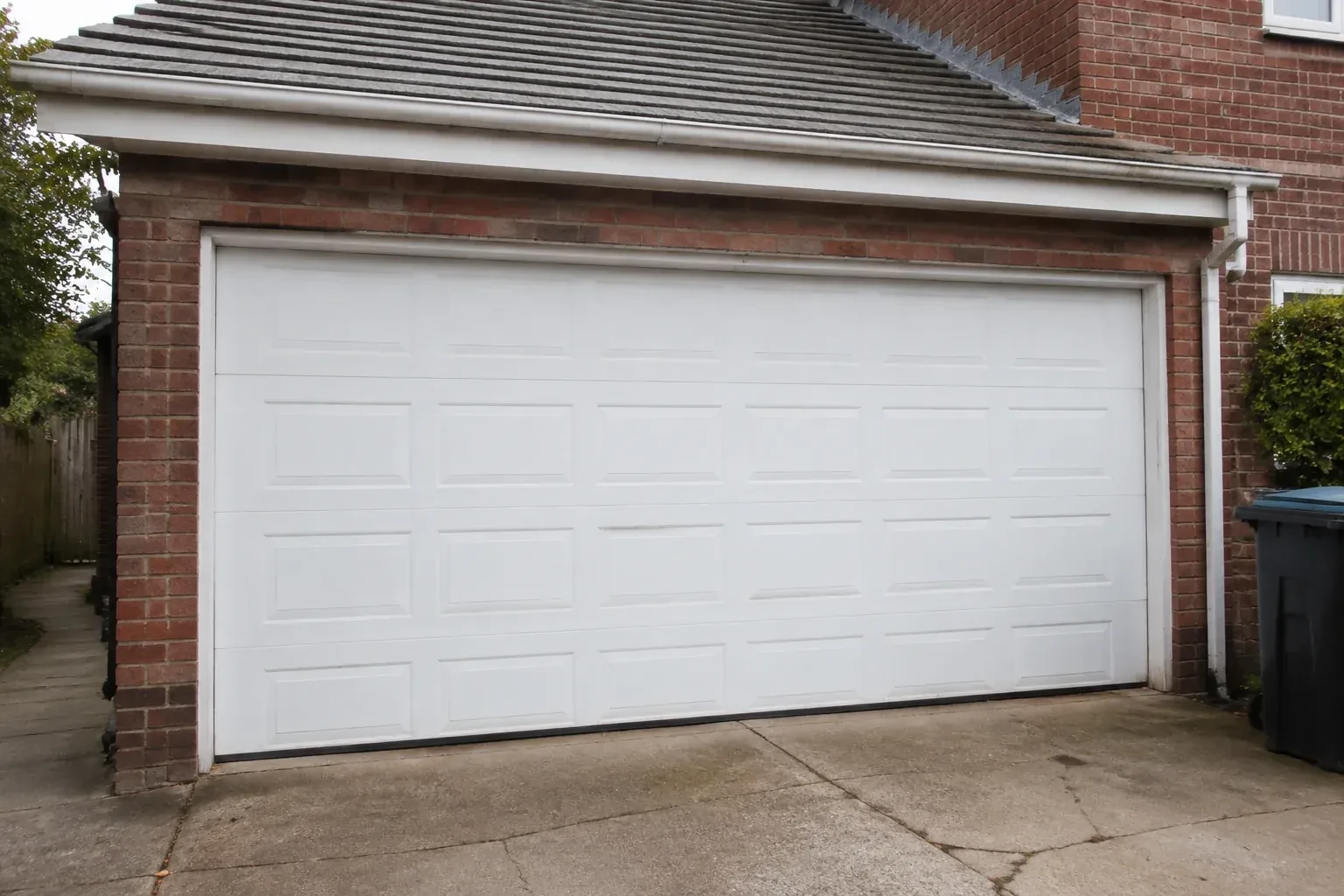
From spring replacement to brand-new insulated doors, we cover the whole garage door trade for homes and businesses in Lisgar. The vans carry the common springs, cables, rollers, hinges, seals and opener parts, so most repairs are completed on the first visit. Larger jobs, like a new door or an unusual opener, are planned with you and scheduled to suit your household.
23years in business
24/7open every day
Real explanations. Every recommendation comes with the reason behind it, in words that make sense to someone who has never opened an opener.
Care in your space. We work around bikes, tools and vehicles carefully, protect what needs protecting, and leave the garage clean.
No pushing. You hear the choices once, clearly. Whether to go ahead, wait or take a different route is yours to decide.
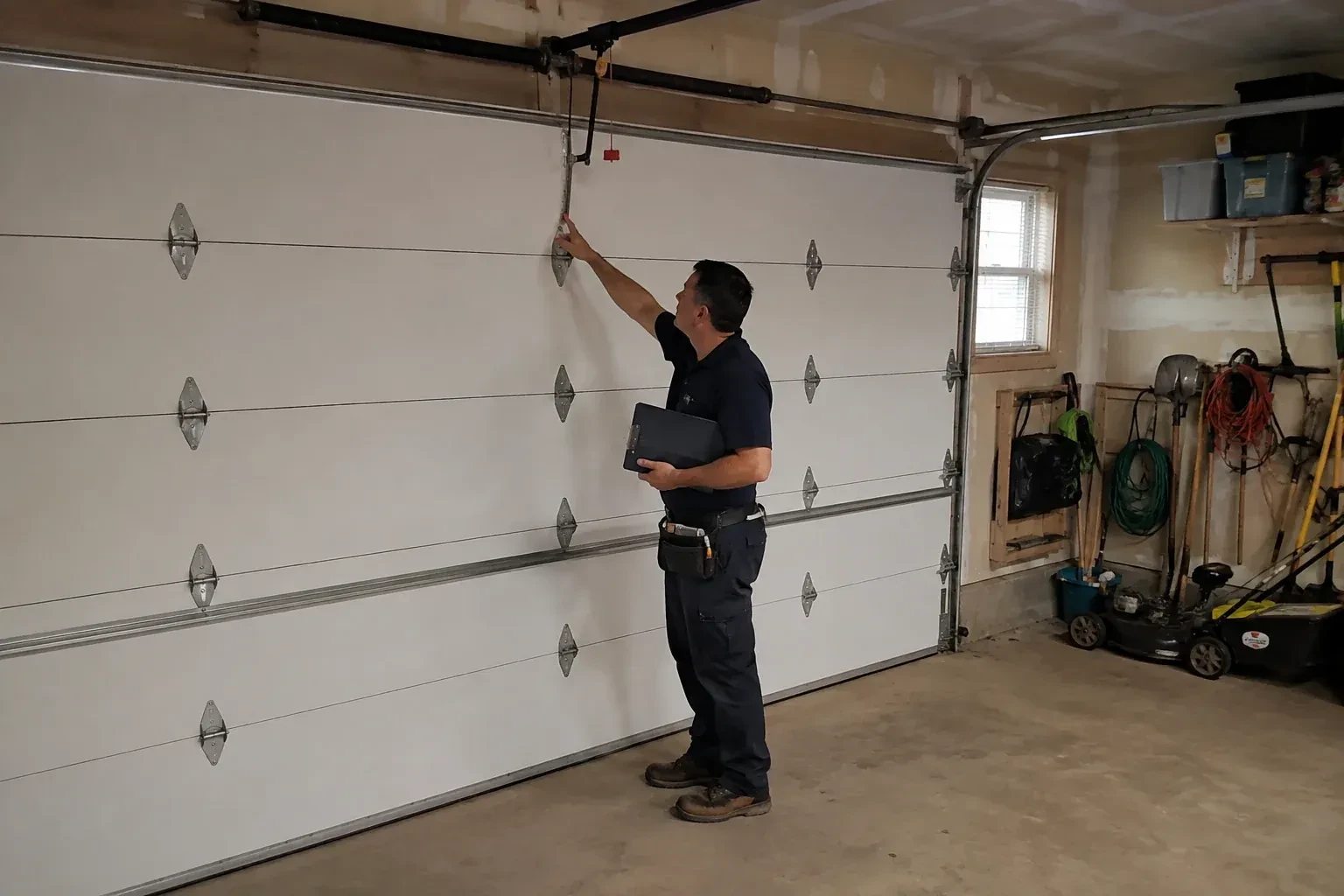
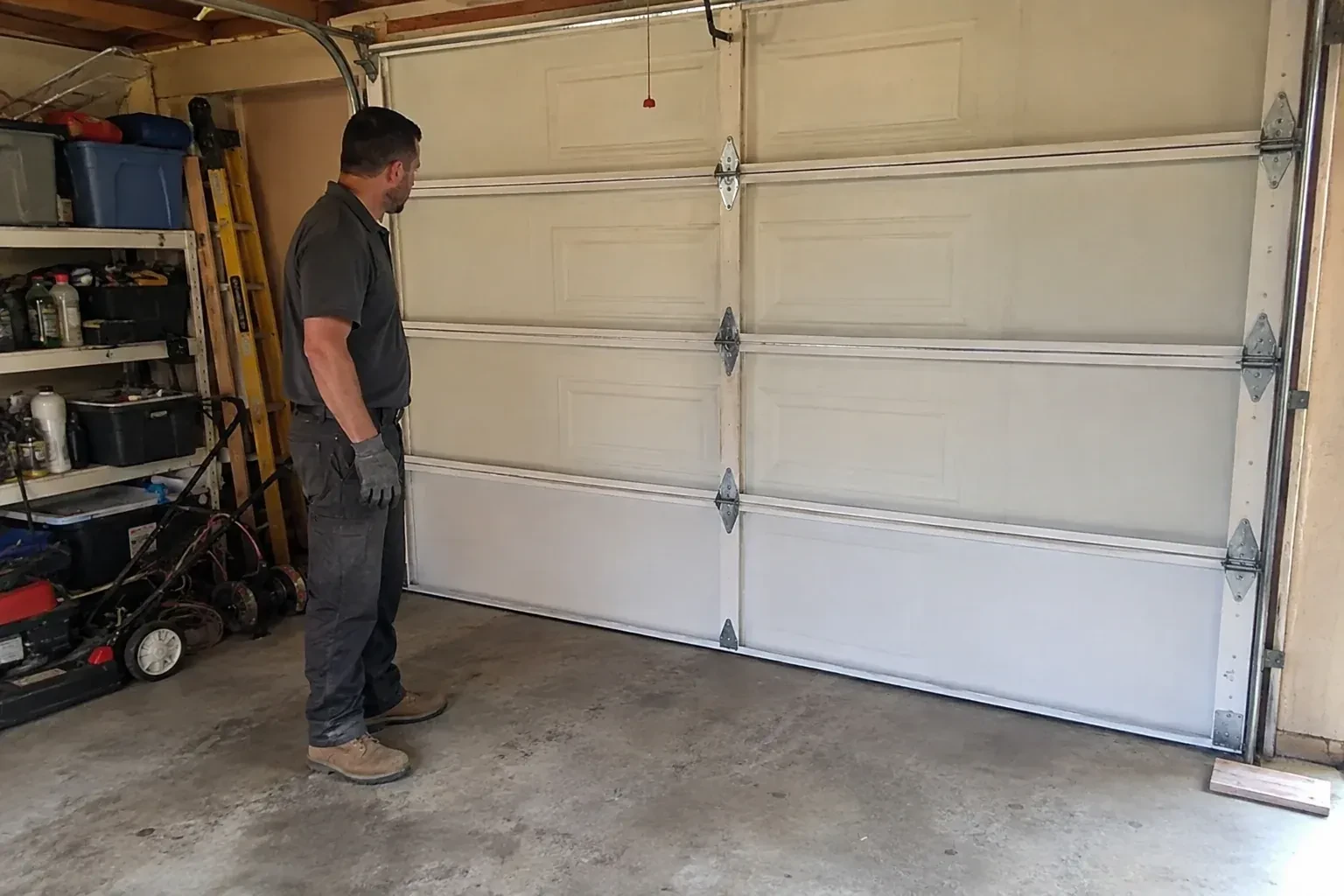
Have your Lisgar garage door assessed at the house.
The list below is what a garage door technician in Lisgar actually does in a week: replaces springs and cables, resets doors that jumped the track, fixes and replaces openers, programs remotes and keypads, changes seals and rollers, tunes and balances doors, and installs new ones.
About 38% of homes in Mississauga were built in 1980 or earlier, according to the 2021 Census.
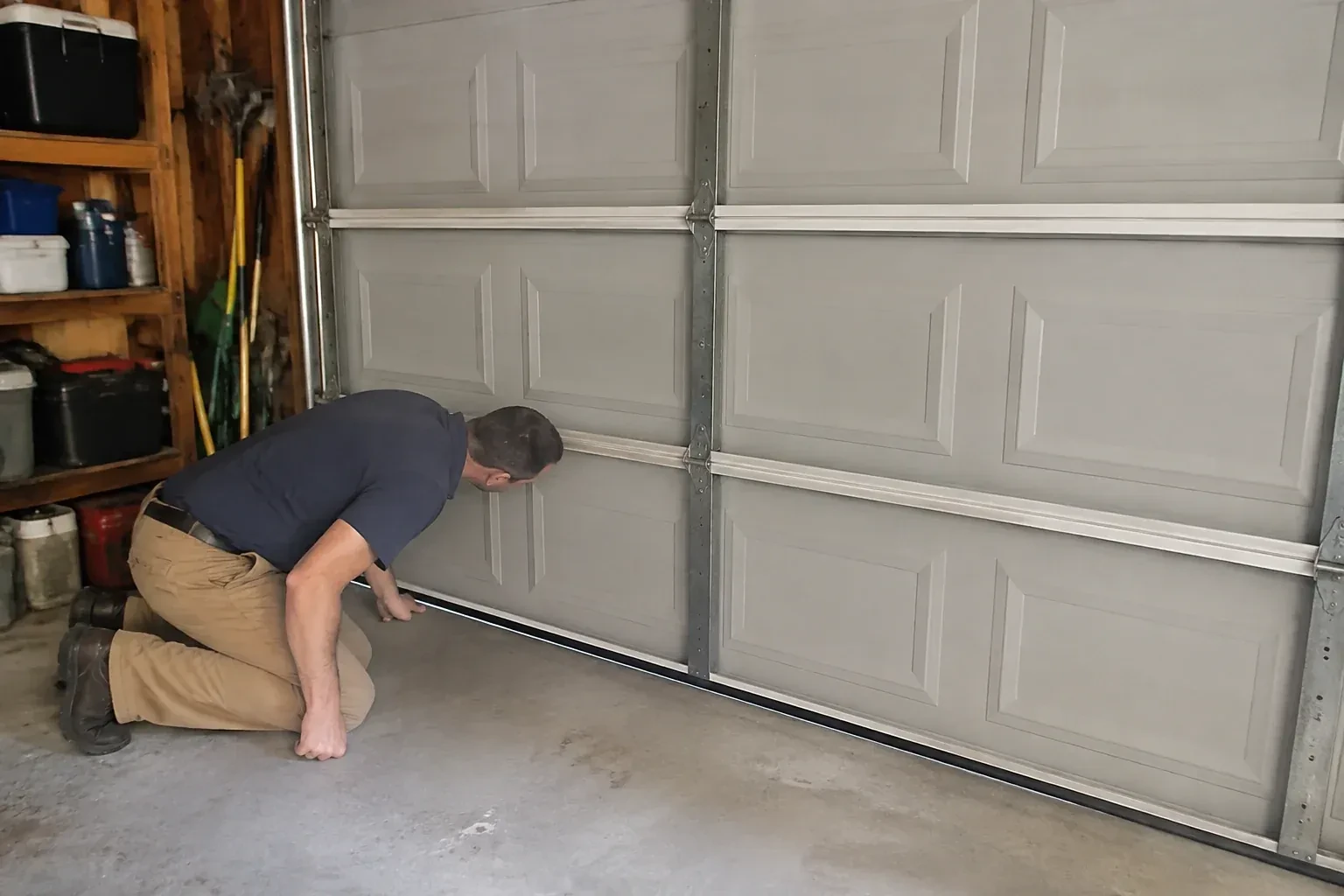
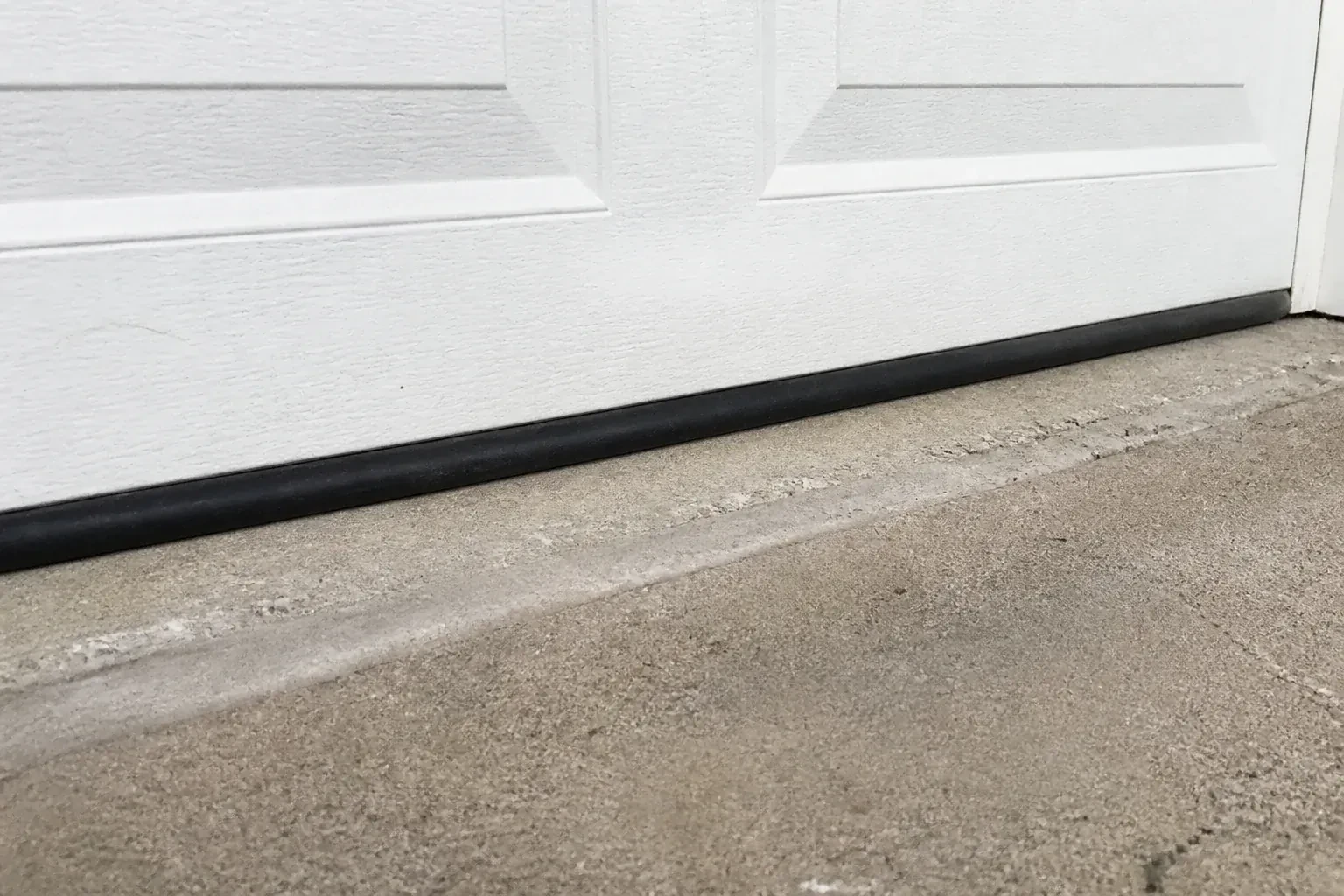
Where houses span several decades, weatherproofing needs vary: older garages with uneven aprons need thicker bottom seals, newer ones mainly need cracked seal sections replaced. The technician looks at how the door meets the floor and the jambs and fits the seal that actually closes the gap.
Single-detached houses make up about 37% of homes in Mississauga (2021 Census).
Where most residents live in attached homes, a technician's day includes coordinating with neighbours: parking the van without blocking a shared lane, keeping noisy work to reasonable hours, and finishing a door in one visit so the row is not disrupted twice.
Since the first cold snap the door has been sluggish. It climbs slowly, hesitates near the top and the opener motor sounds strained. On the coldest mornings it opens a hand's width, thinks about it, and comes back down.
The morning after a thaw the opener groaned, the door stayed stuck to the icy floor for a second, then lurched up crooked. It stopped halfway with a grinding scrape and has not moved since.
The bedroom over the garage is always the cold room, and standing in the garage you can feel why: a steady draft along the door edges that moves the cobwebs on the wall. The seal around the opening has flattened to nothing.
The door climbs crooked, one side clearly ahead of the other. Nothing looks broken, but the two tracks sit different distances from the door, and one leans in toward the opening near the top.
The door has grown heavy so gradually you stopped noticing, until a visitor tried to lift it and could not. The opener still manages, but it sounds strained, the chain slaps on the way up, and the wall button gets pressed twice most mornings.
The door closes, touches the floor, then climbs straight back up as if it hit something. Nothing is in the way, the sensor lights are steady, and it has been doing this since the weather turned.
On bright mornings the door will not close, then by lunchtime it behaves itself. The garage faces the low sun, and the light reaches straight across the floor to one of the little black sensors.
One remote lives in a car you sold last spring. The other needs three presses from the driveway and its battery cover is taped on. Your phone is already in your hand when you pull in, and it would make a better opener.
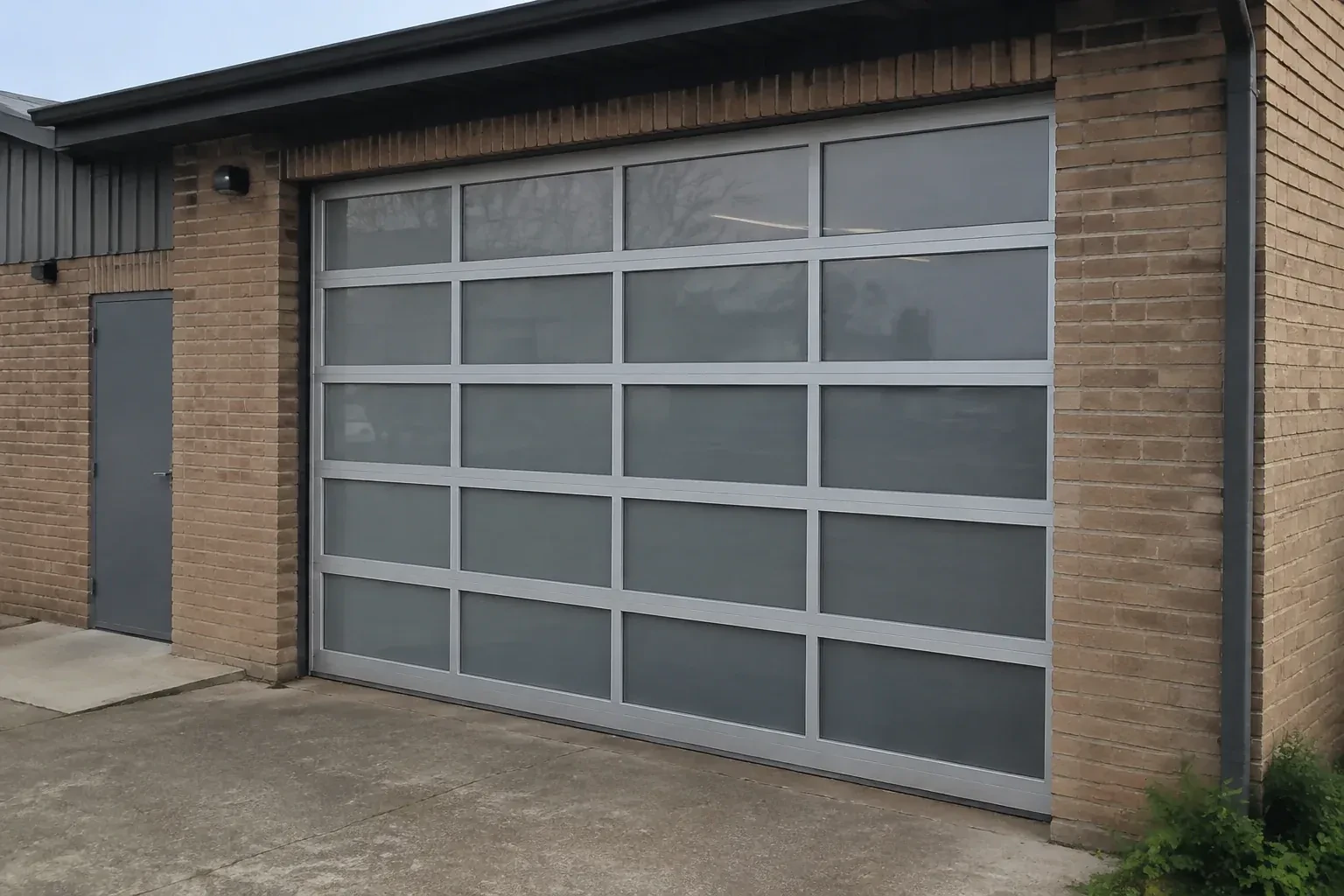
A damaged glazed door has mismatched sections and uneven movement. Instead of chasing separate pieces, you want a complete installation specified to the opening, door weight, tracks, springs and operator.
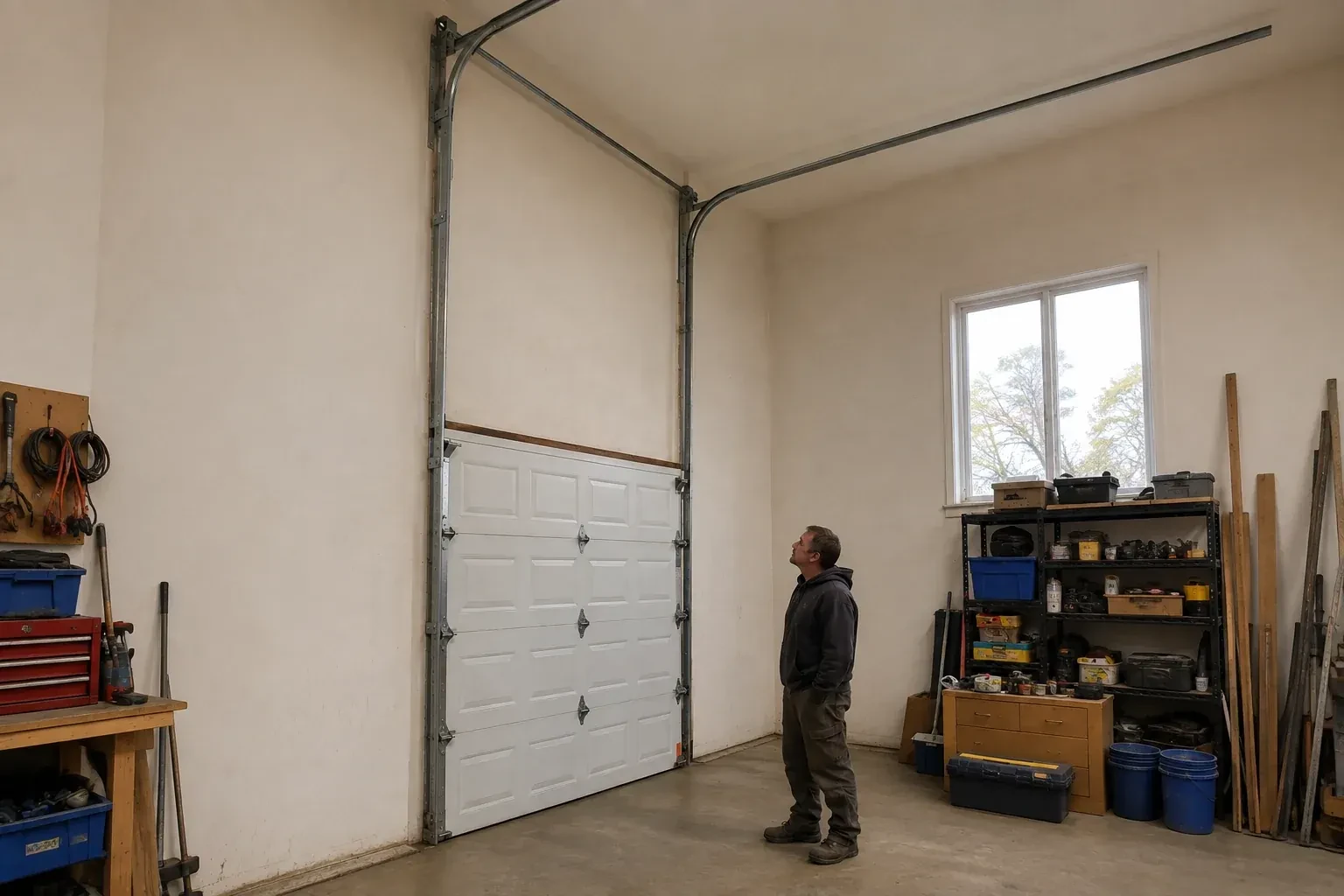
A garage project has reached the measurement stage, and overhead clearance is the deciding detail. The current springs, drums and tracks were built for standard lift, while the intended use calls for additional vertical travel.
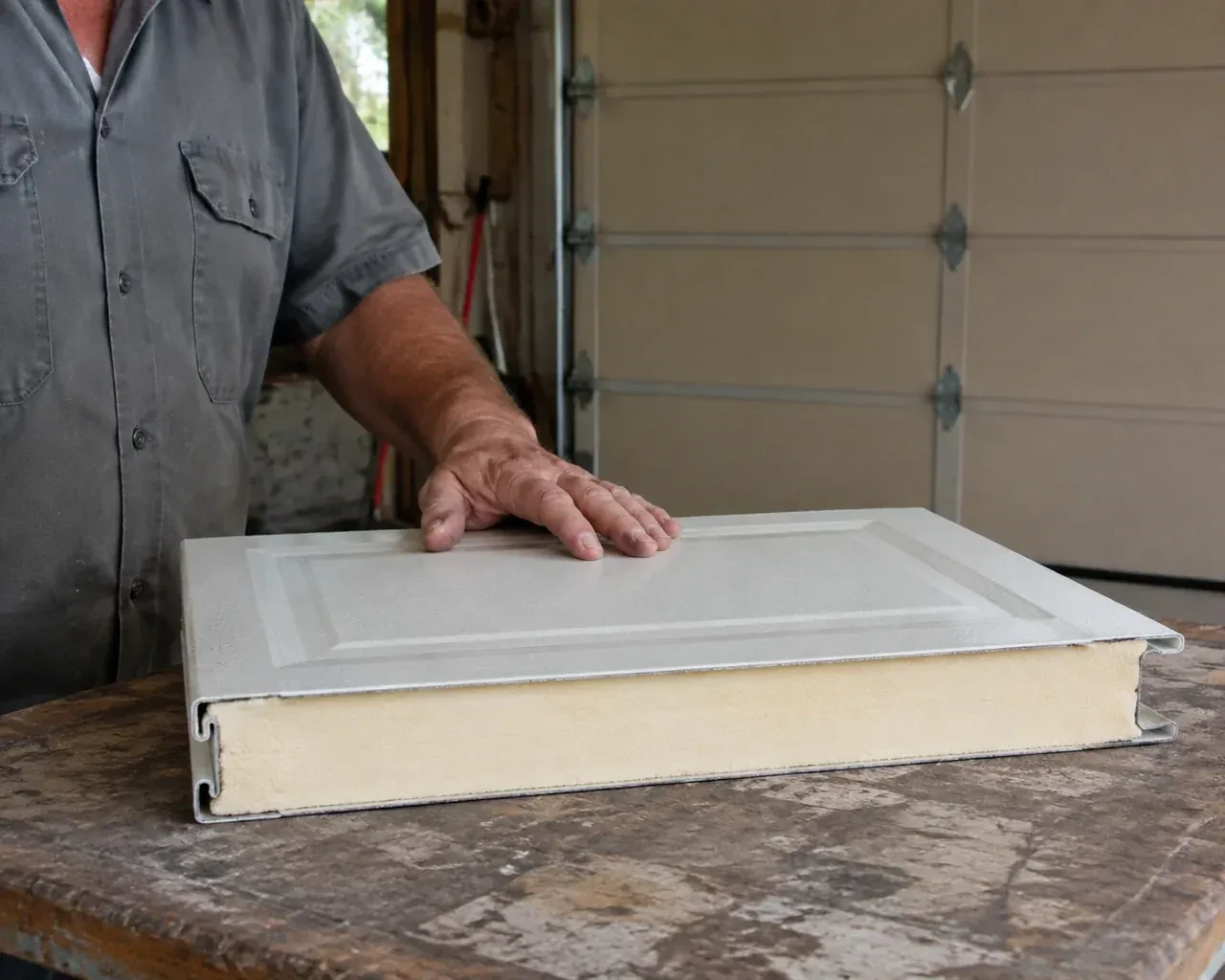
Not every upgrade means a whole new door. New insulated sections, a high-lifttrack conversion for a taller vehicle, exterior hardware for a carriage-house look or a quieter drive system can each change how a garage works.
The motor runs, the chain rattles along the rail, and the door does not move a millimetre. You notice the little carriage sliding back and forth on its own.
The door closes, touches the floor, then climbs straight back up as if it hit something. Nothing is in the way, the sensor lights are steady, and it has been doing this since the weather turned.
After the power came back you pulled the red cord to get the car out. Since reconnecting, the door stops short of the floor, and no amount of turning the limit adjustment brings it the rest of the way down.
The remotes only work from the end of the driveway now, and one of them disappeared with a set of keys last month. Inside the remote are tiny switches instead of a learn button, so excluding the missing one means resetting the switch pattern on every remote and the receiver.
There are no sensors at the floor at all, or a previous owner has wired the pair together up beside the motor so the beam never crosses the doorway. A home inspector has just pointed it out.
The house came with a controller already screwed to the garage ceiling and a sensor on the door, but the app insists the device belongs to another account. The seller has moved provinces, the emails go unanswered, and every evening the door still reports to a stranger's phone.
It is the coldest morning of the year. A week of slush and road salt has crusted over the outside release lock, the key will not seat, and the opener inside is silent after the overnight outage.
Which fix fits?
Since the first cold snap the door has been sluggish.
WhyA reset is different from a track repair, although one visit can include both.
The bedroom over the garage is always the cold room, and standing in the garage you can feel why: a steady draft along the door edges that moves the cobwebs on the wall.
WhyWhat you get back is a door that runs its full height without a catch, hesitation or bang, with every roller seated in its channel and both sides rising together.
The door has grown heavy so gradually you stopped noticing, until a visitor tried to lift it and could not.
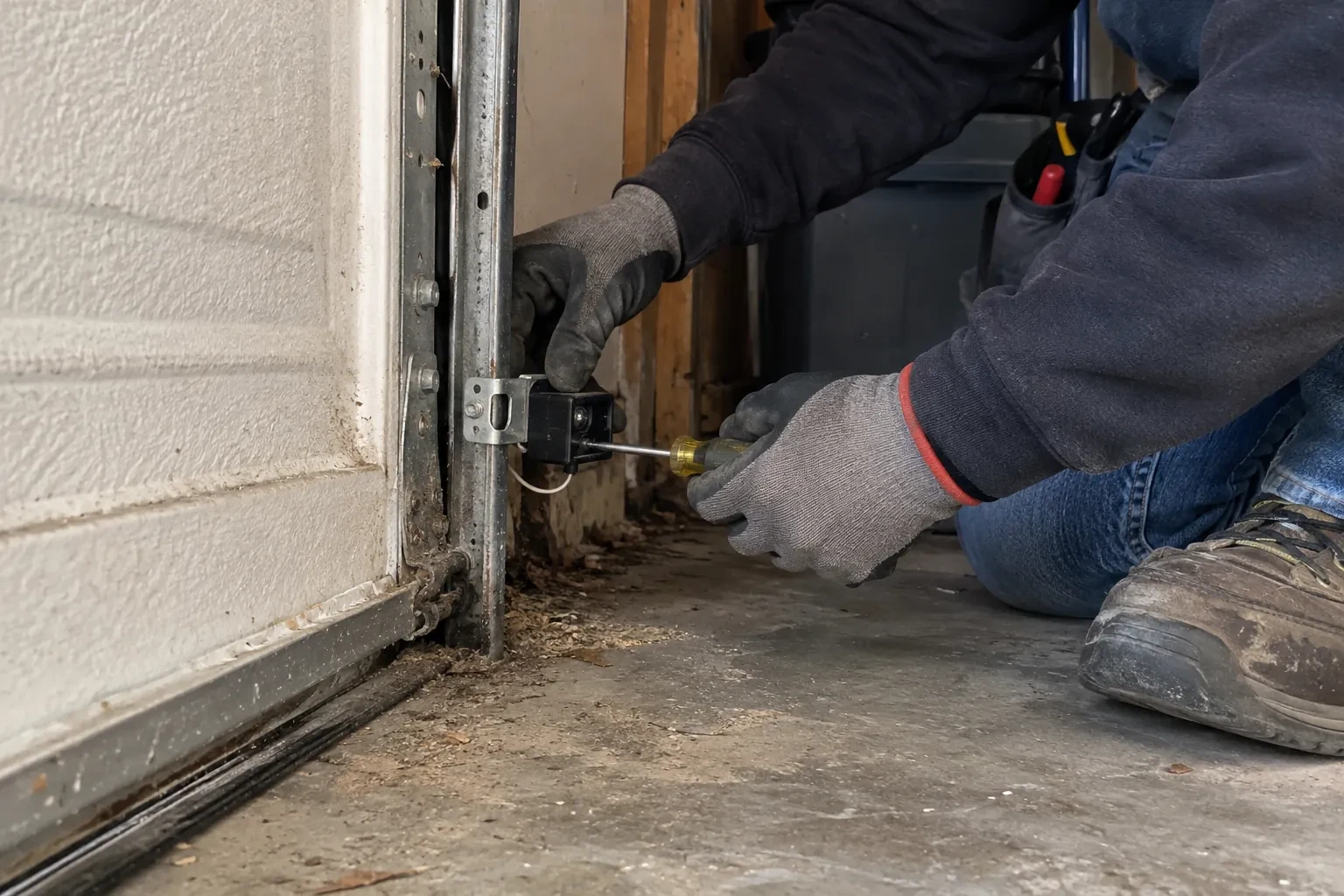
WhyBy the end of the visit you have a door that closes from every control and reverses the instant the beam is broken, a sensor pair mounted level at the right height with steady indicator lights, wiring that is secured and out of harm's way, and a written note of what was found and what was changed.
WhyFor a household here, the most valuable feature is often the simplest: a message that says the door has been open for ten minutes on a January night.
A damaged glazed door has mismatched sections and uneven movement.
Residential sectional doors of every common construction: steel, insulated steel, aluminum and glass, wood and composite, single and double width, with torsion springs above the header or extension springs beside the horizontal tracks. Openers of all the usual types are covered too, including chain drive, belt drive, screw drive and wall-mounted jackshaft units. If the door is a one-piece tilt-up or a commercial rolling door, mention that when booking so the right hardware comes along.
Can a door frozen to the floor really cause this?
Yes, and in winter it is one of the most common causes. Meltwater under the bottom seal refreezes overnight and bonds the door to the slab. The opener pulls, the door stays put, the cables go slack and unwind off their drums, and when the ice lets go the door lurches up unevenly. Freeing the seal by hand before using the opener on icy mornings prevents almost all of these calls.
Will a new seal make the room above my garage warmer?
It can help. Drafts around the garage door cool the garage, and the garage cools the floor above it and the wall it shares with the house. Closing the perimeter cuts those drafts, though how much warmer the garage runs depends on the door's own seal, the ceiling insulation and how the space is heated, not the perimeter alone. A technician can talk through those as separate steps if the room stays cold.
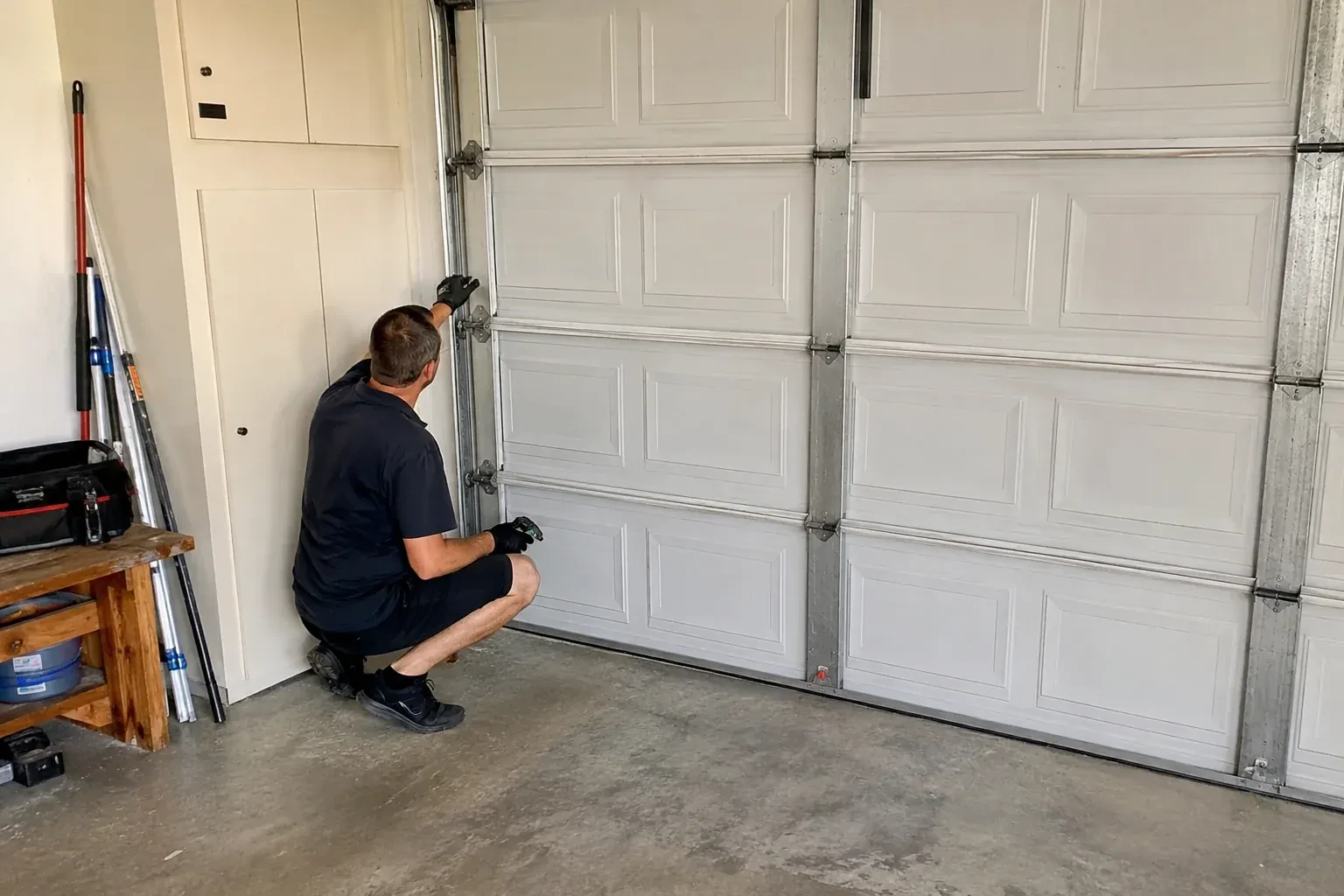
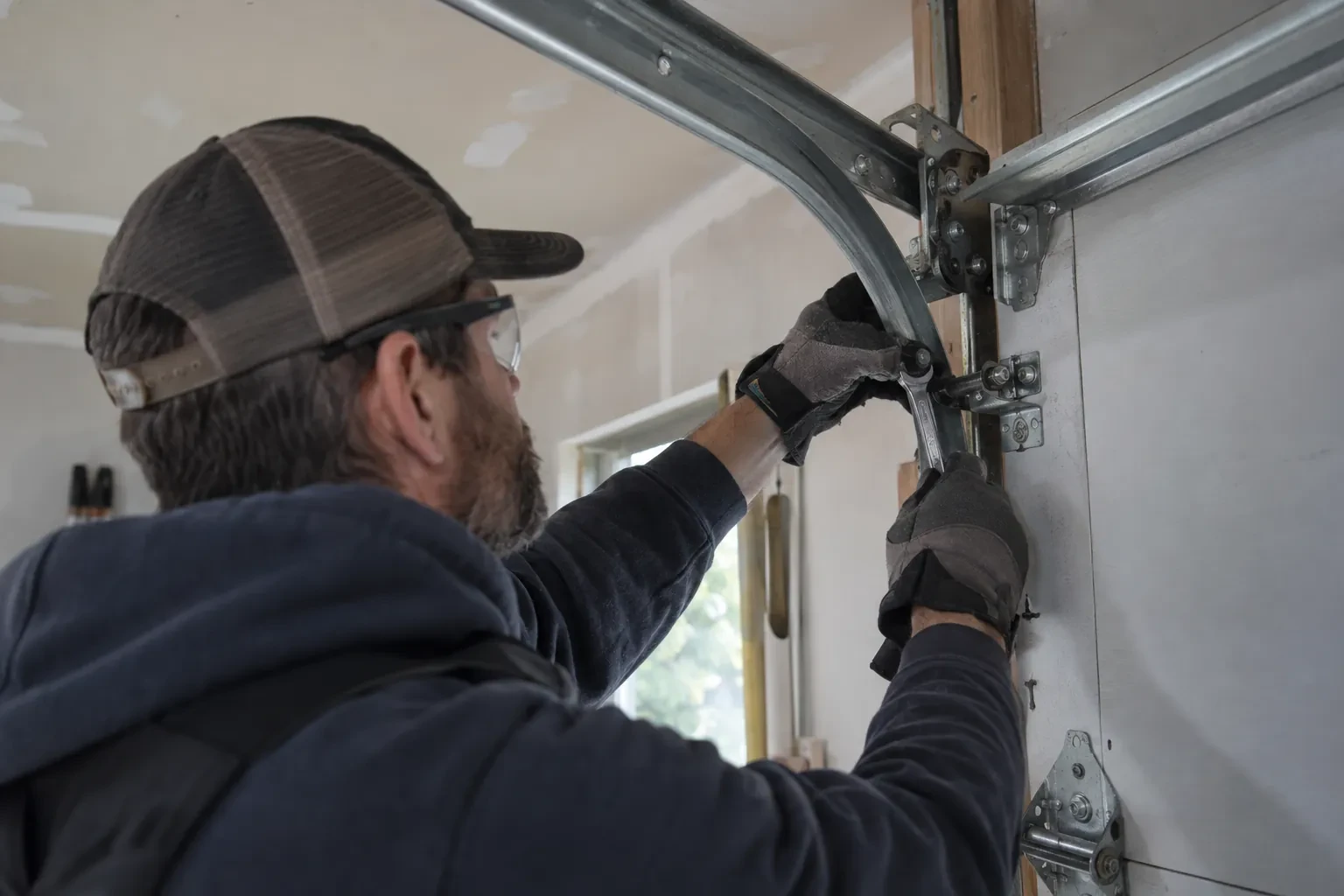
How is the vertical track attached to the wall?
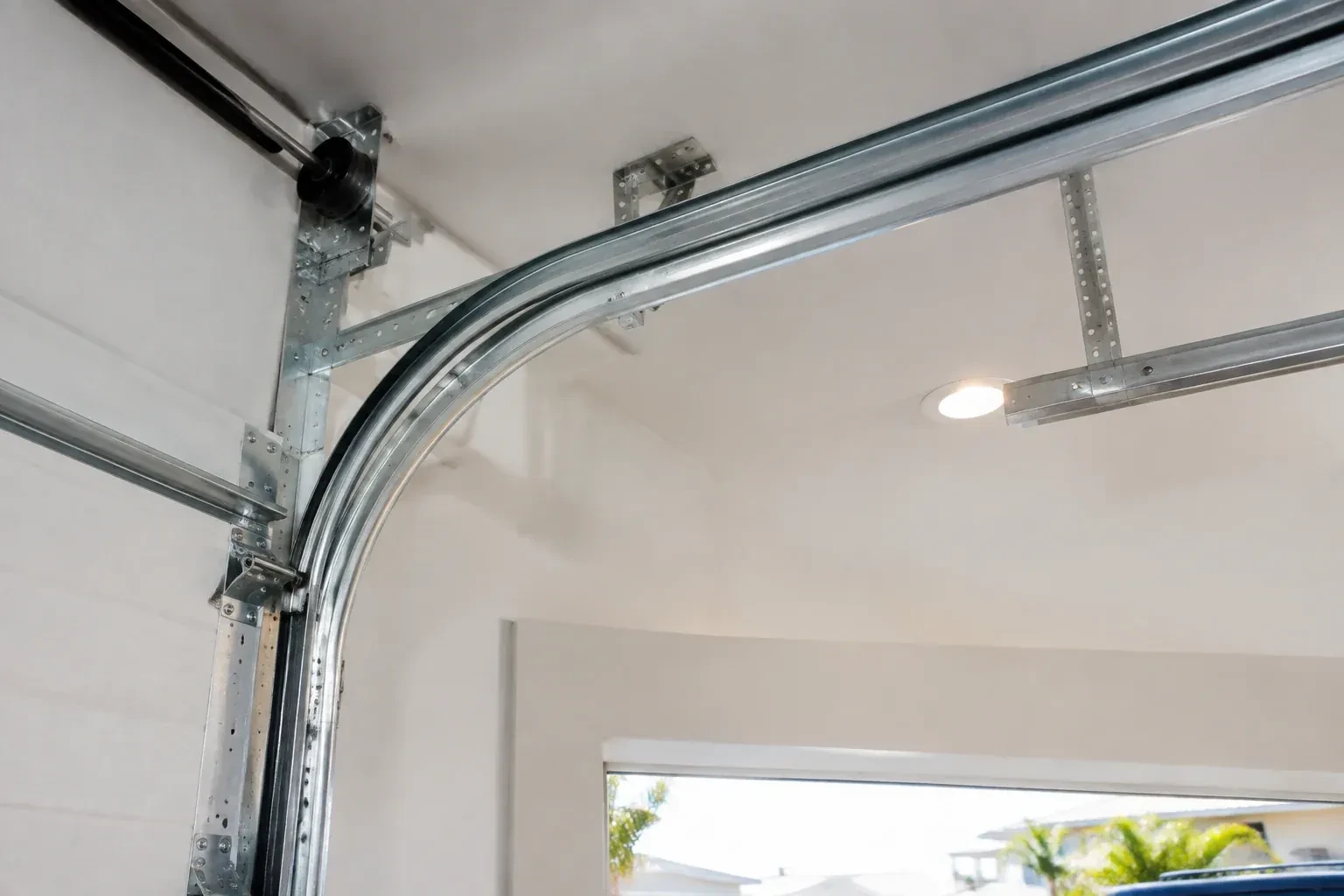
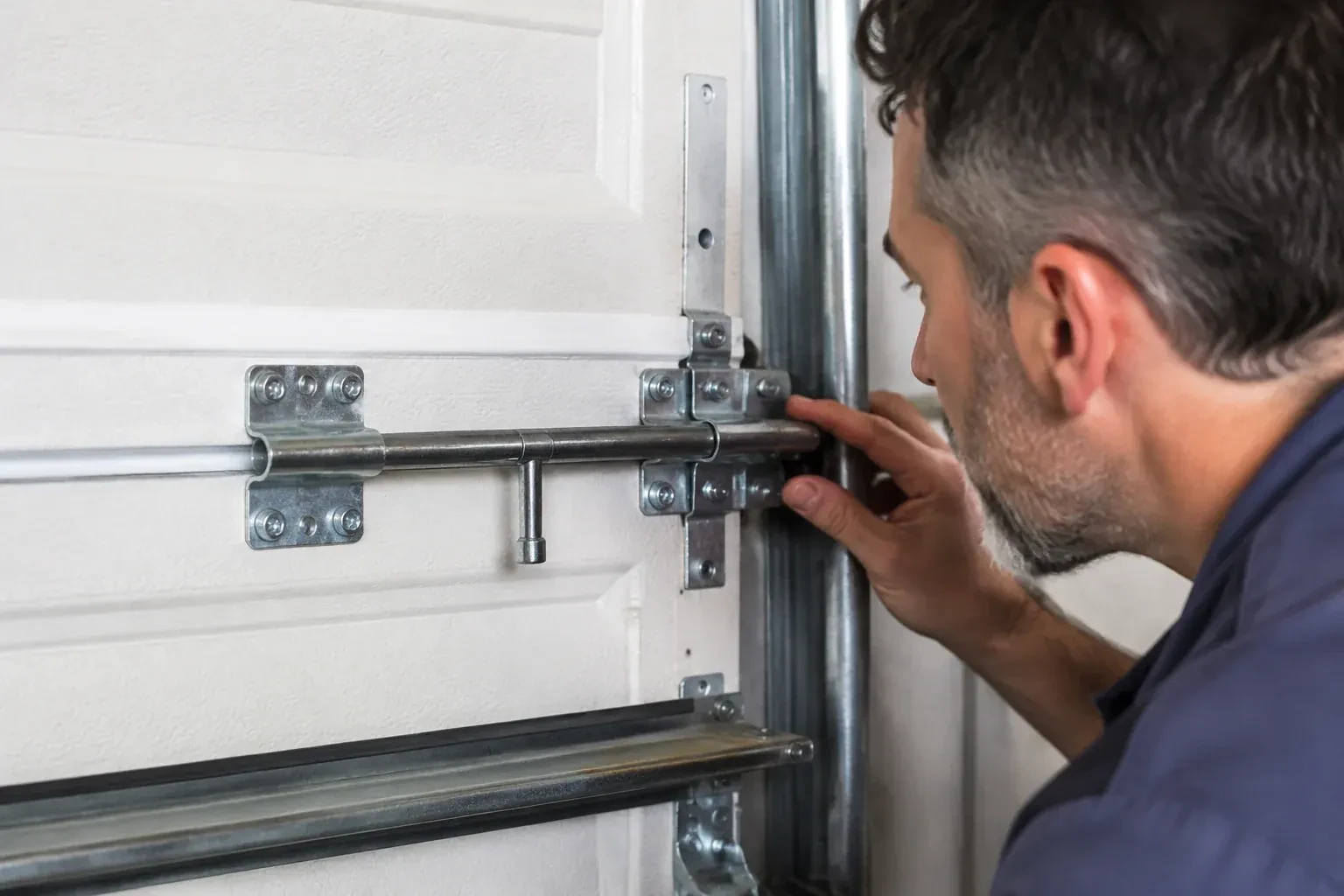
Two ways are common. Bracket-mounted track uses several L-shaped jamb brackets, each lag-screwed into the wood jamb, which lets the track be adjusted a little at each bracket. Angle-mounted track bolts to a full-height continuous angle, often chosen where sideroom is tight. In both cases the fasteners bite into the jamb, so the condition of that wood matters as much as the track itself.
The door was fine until a power cut. Why is it heavy now?
During a power cut the door is often released and moved by hand for the first time in years, and what people discover is a door that had already grown heavy while the opener quietly covered for it. The outage did not change the springs; it revealed them. A balance check confirms what the door weighs against what the springs give, and resets them to match.
Why does the door open only partway and stop?
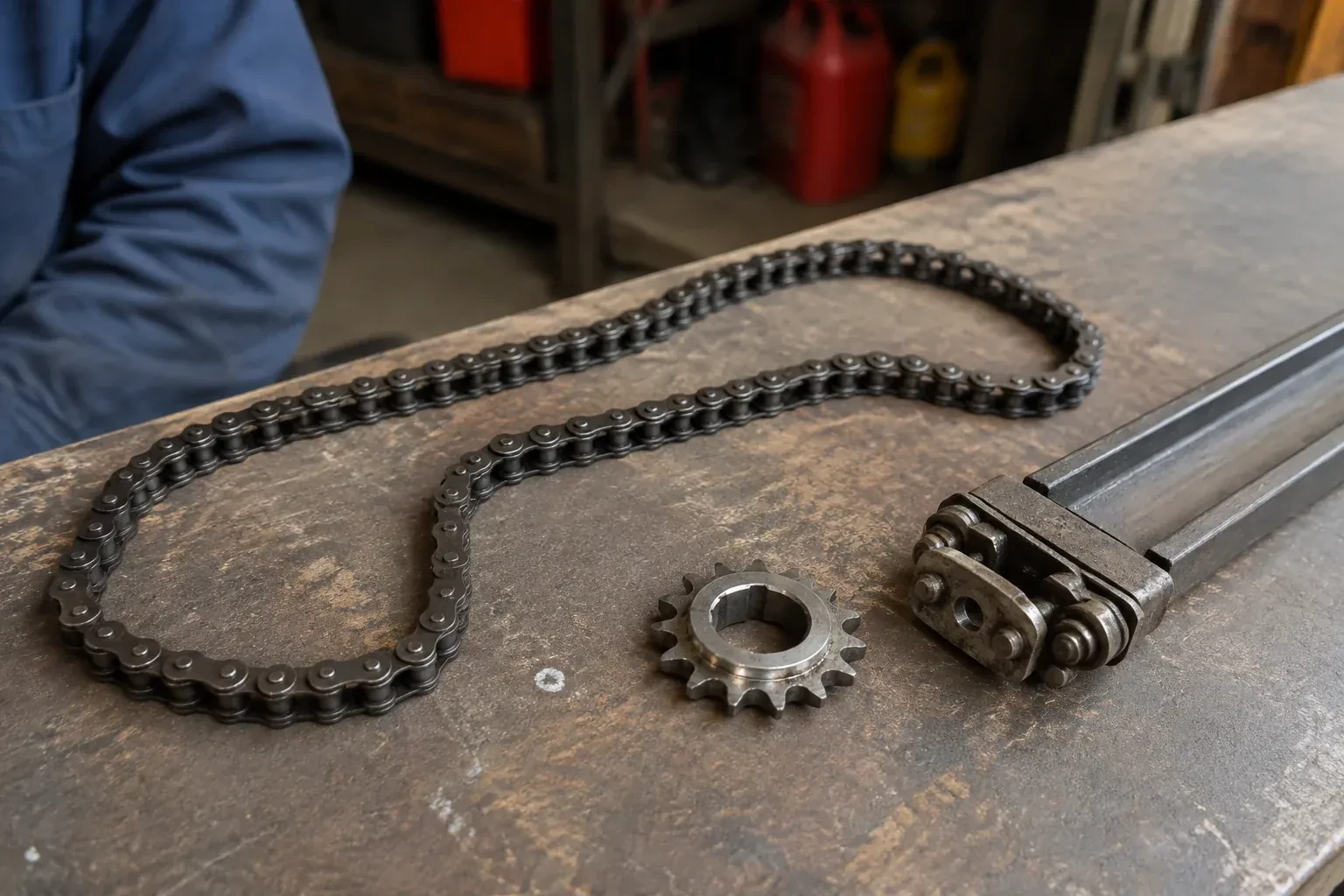
Three causes account for most cases. The up travel limit has drifted short and needs turning out. The door has become heavy or stiff somewhere in its travel, so the operator senses resistance and stops, which points to the springs, rollers or track. Or the chain has slipped out of phase with the motor, in which case the limit screws have no effect and the chain must be re-set on the sprocket with the trolley at the closed position.
Could the wiring be the problem rather than the sensors?
Frequently. The sensors are fed by a thin two-conductor wire from the head unit that crosses the ceiling and drops down both sides of the door, and it is pierced by staples, cut by shelving screws, chewed by mice or pulled from its terminals more often than a sensor fails. Both sensor lights dark, or an opener code for an open or reversed circuit, points to the wire. The technician tests the run with a meter and repairs or replaces the damaged section.
Will my existing remotes and keypad still work?
Yes. The controller adds a new way to give the opener the same command; it sits alongside the ones you already have. Wall console, remotes and outdoor keypad keep working exactly as before, and each is tested at the end of the visit. If a remote has been failing for reasons of its own, a flat battery or a worn button, that is a separate small fix the technician can do while there.
Can the new door use my existing tracks?
The tracks are assessed as part of the new assembly, not treated as universal rails. Section thickness, finished weight, roller geometry, track radius, required headroom and opener placement all affect compatibility. A full-view installation normally uses the track specified for that door configuration, giving the rollers and hinged sections a path designed around their dimensions and load.
Can decorative hardware or added insulation affect the design?
Anything that changes door weight can influence counterbalance selection. Overlay trim, reinforcement, glazing, insulation additions and multiple coating layers are therefore recorded during assessment. If weight is added after conversion, the manual balance should be reviewed. Sharing planned door upgrades early lets the spring, drum and cable design reflect the configuration that will actually be operated.
Request a visit
Our technicians treat a door in Lisgar as a system: springs, cables, drums, rollers, tracks, opener and sensors all affecting each other. A repair that ignores the neighbouring parts fails early, so we check the lot, fix what is worn, and tell you honestly what is fine and can wait.