Springs · Meadowvale West
Garage Door Cable Replacement in Meadowvale West
The door went up as usual this morning, then stopped a third of the way with one corner higher than the other.
In plain words
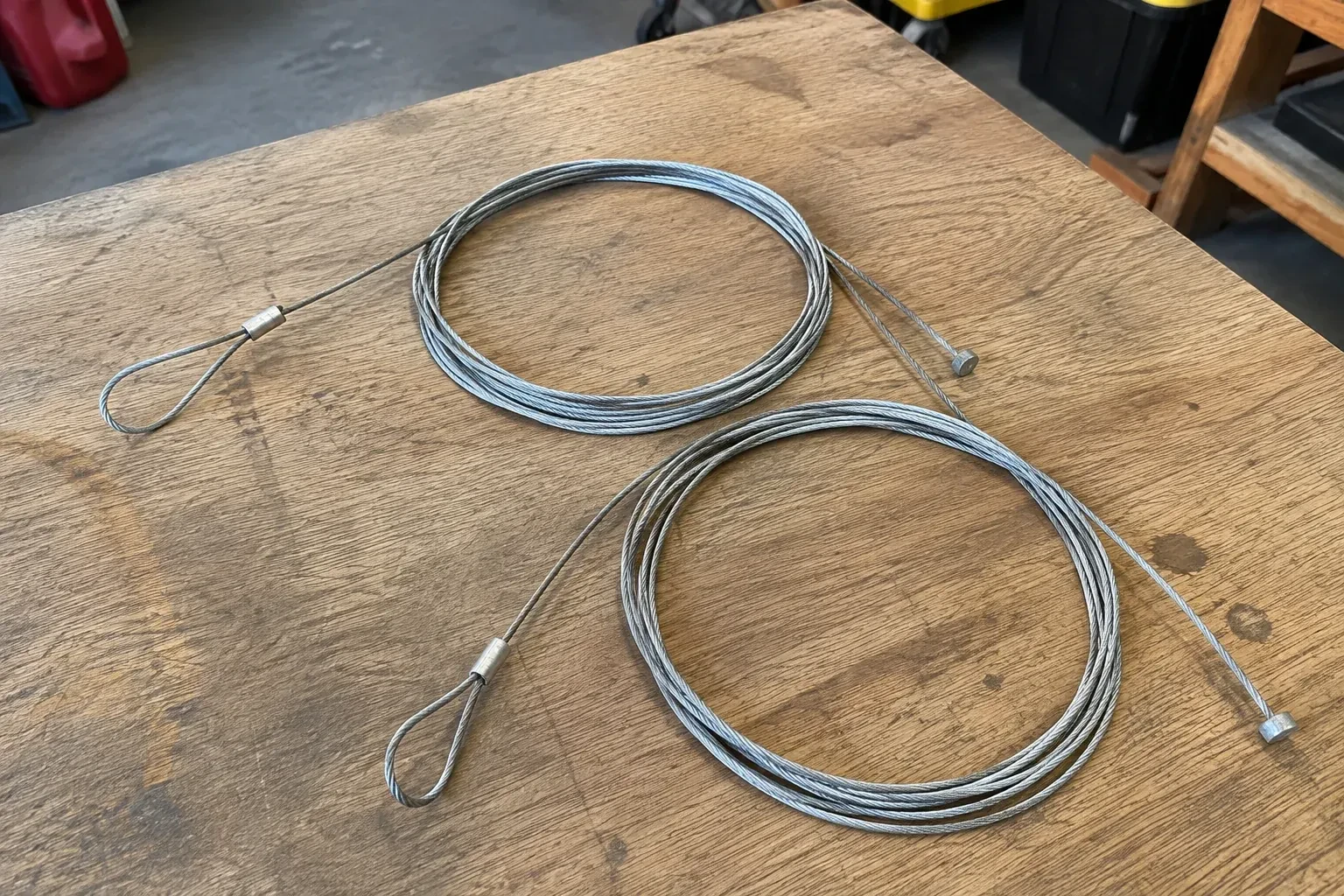
Winter is hard on the bottom of a garage door. Slush and road salt run off the car and pool exactly where the cables loop onto the bottom brackets, and wire rope that is wet and salted for four months a year rusts from the inside out. Snow packed under the door can also stop it short, letting the cables go slack and slip their drums. Cable replacement puts fresh galvanized cable on both sides, cleans or renews corroded brackets and resets the balance, and the technician can show you how a clear threshold and a light coat of lubricant carry the new set through many more winters.
How the visit goesYour older door has springs along the tracks, and one cable has slipped off its pulley and dangles slack. The door lifts crooked and needs a shoulder to close, when it used to glide.
Garage Door Cable Replacement
How the visit goes
Torsion or extension, and which lift
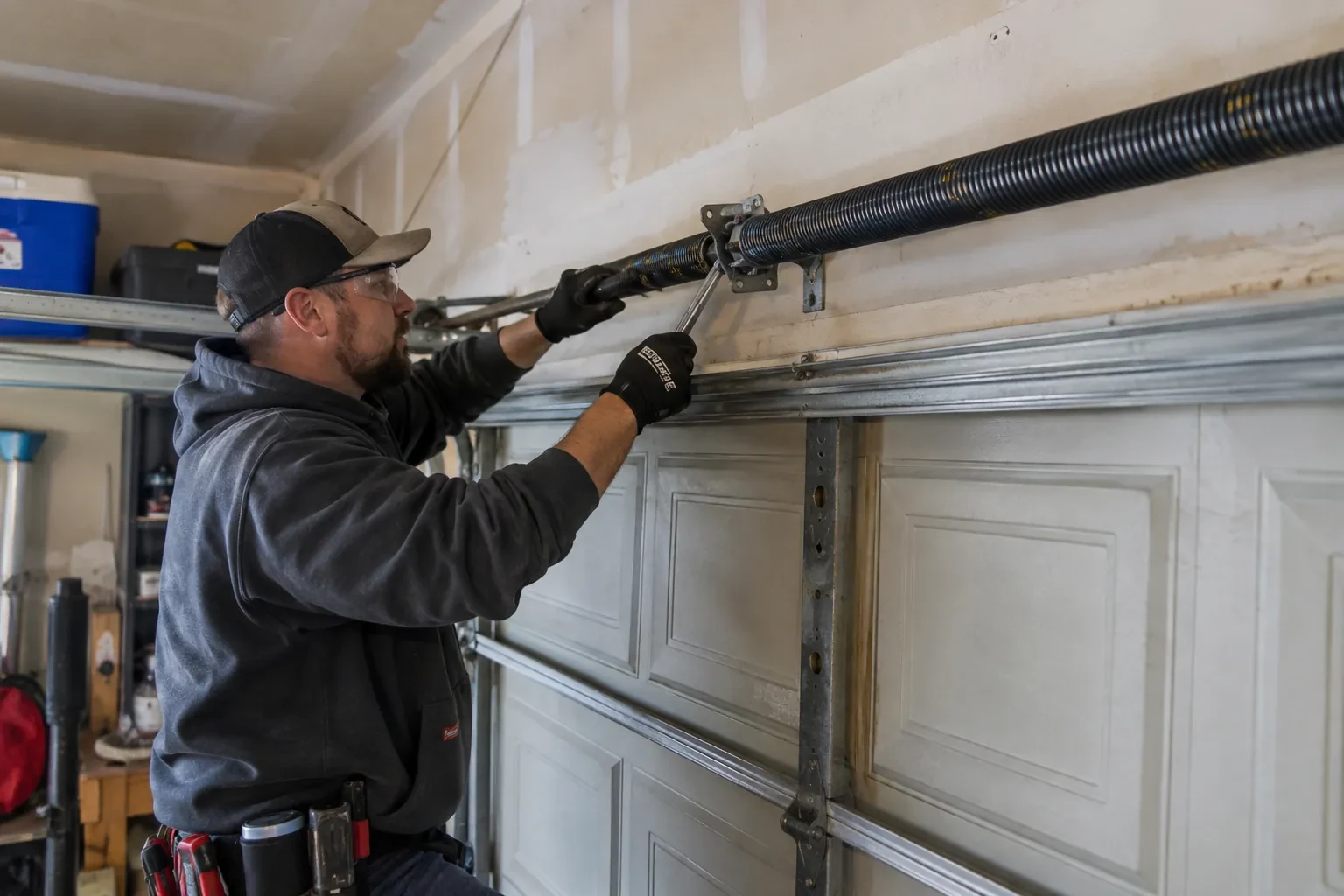
The technician identifies the counterbalance before choosing parts. A shaft with drums above the header means a torsion system; springs stretched beside the horizontal tracks with pulleys mean extension. Then the lift type: standard lift on most attached garages, low headroom hardware where the ceiling is tight, and high lift where the door climbs well above the opening before turning. Each uses a different drum profile and a different cable length, and a double door of the same height may need a heavier cable than a single. Reading these details correctly is what makes the replacement cable wind evenly on the drum instead of overlapping.
Removing the old cables
Each drum's set screws are backed off so the drum spins freely on the shaft, and the old cable is unwound from its groove and the stop slipped out of its slot. At the floor, the loop is lifted off the bottom bracket pin, or the clevis pin and cotter pin are withdrawn where the door uses them. The old cable is kept for a moment to measure against its replacement and to show you the wear that caused the call. On an extension door the cable comes off its pulleys and the adjusting clip at the track hanger. Both sides are stripped before anything new goes on.
The record of what was fitted
Before leaving, the technician tells you what went on the door: the cable length and diameter, whether the drums or bottom brackets were renewed, the type of lift hardware, and how many turns the springs carry. It is worth writing this inside the cover of the door manual or on a card taped near the opener, because the next technician, or the same one years from now, can then match parts without measuring everything from scratch. If the springs were left in place, their age and wire size go on the same note so the timing of their eventual replacement is easy to plan.
Garage Door Cable Replacement
In the van
Bottom brackets with cable pin
Torsion springs and winding cones
Silicone garage-door lubricant
Containment cables
Track clamps or locking pliers
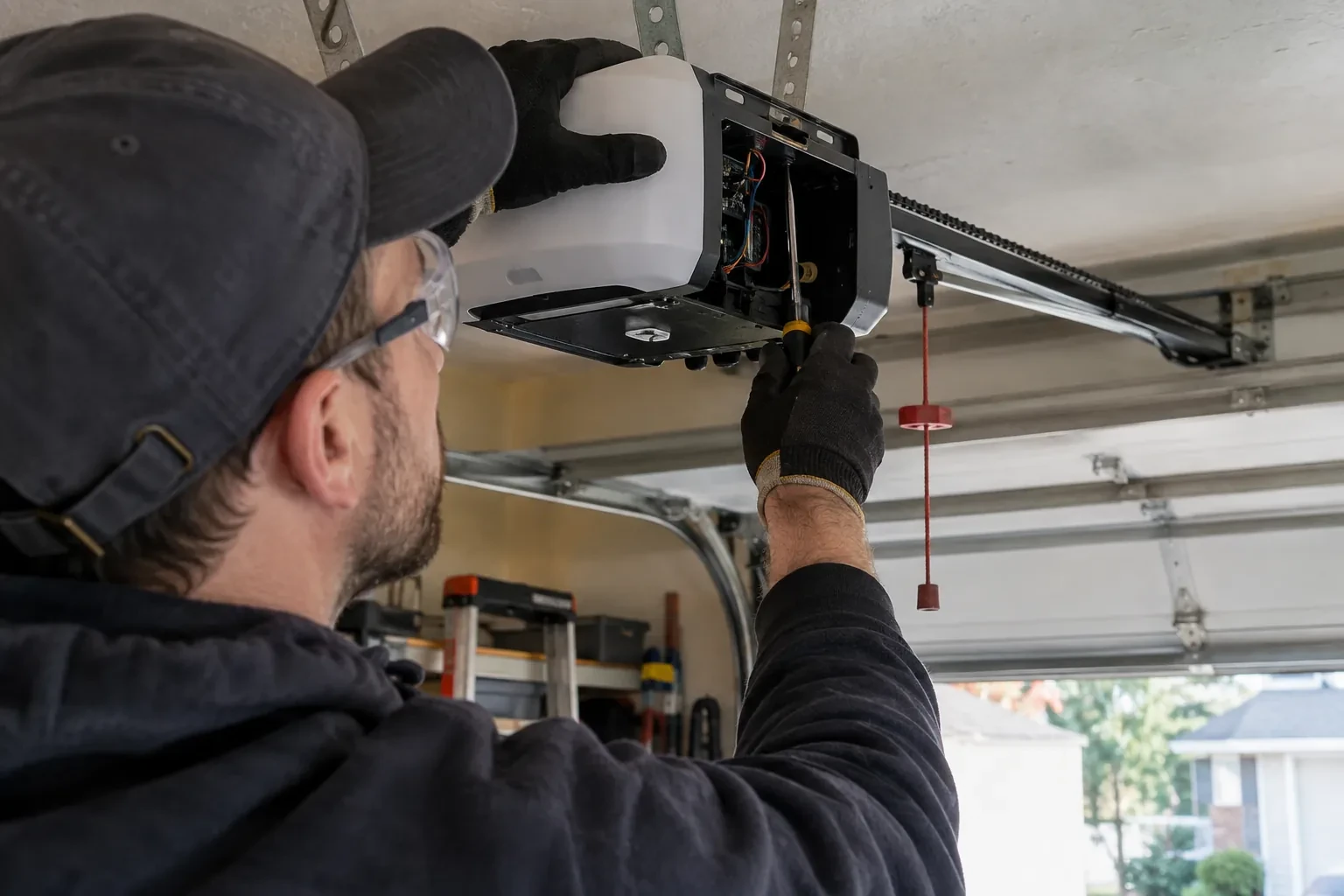
Garage Door Cable Replacement
What affects the quote
Corrosion and seized fasteners
Set screws and bracket bolts that have rusted solid take time to free or cut, and badly corroded hardware is replaced rather than reused, which shows in the parts list.
Condition of the bottom brackets
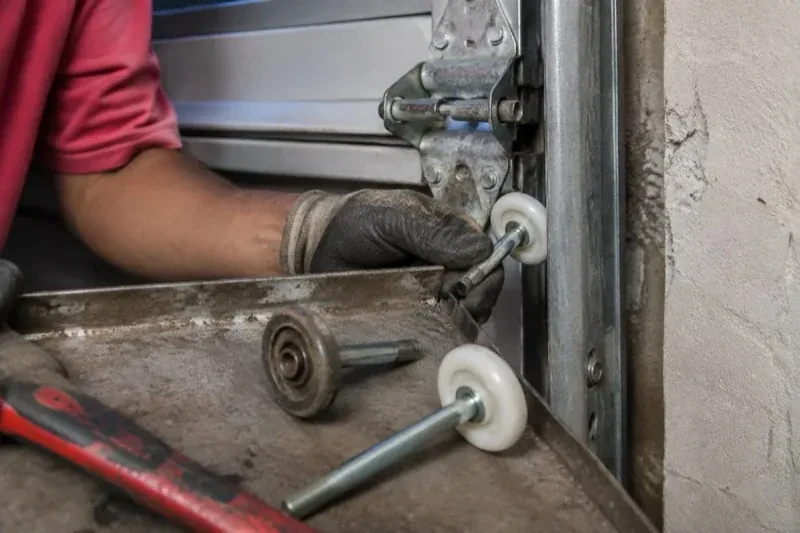
A bracket bent by a bumper or corroded by years of salt is replaced while the system is unloaded. New brackets, roller and fasteners are listed as their own line.
Door height and lift type
Cable length follows the door height and whether the hardware is standard lift, low headroom or high lift. Taller doors and high-lift conversions take longer cables and specific drums.
What to have ready
- Can you see a cable hanging loose, frayed, or wound around the shaft?
- Is there one spring above the opening, or springs stretched along the tracks?
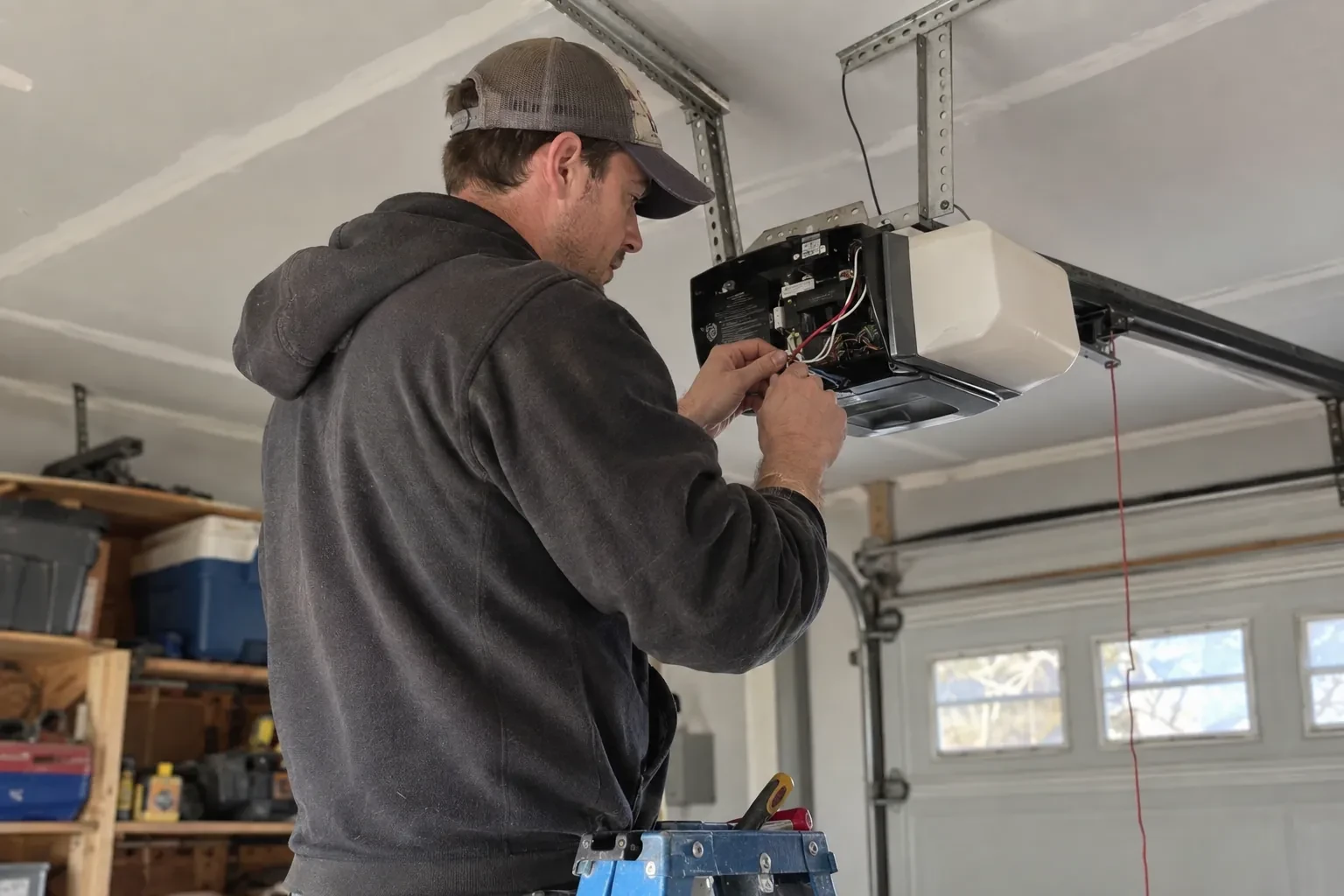
- Does the opener still run, and does it strain or reverse?
Garage Door Cable Replacement: questions
QuestionsShould I lubricate the cables?
A light film, yes. A mist of silicone or a lubricant made for garage doors on the cables, especially the lowest stretch near the brackets, sheds moisture and slows rust. Avoid heavy grease or oil, which holds grit and salt against the strands. The springs, hinges, roller bearings and bracket pins take the same product a couple of times a year, and the tracks are simply wiped clean.
Why is the door sitting crooked in the opening?
Each corner of the door is held by its own cable. When one cable stretches, slips its drum or breaks, that corner loses its lift and drops while the other stays up, so the door tips and usually wedges against the track. Setting both cables to the same length and tension is part of every cable replacement, and it is what brings the door back level.
Can I use the door as soon as the work is finished?
Yes. The visit ends with the door balanced by hand, run through full cycles and the opener reconnected and tested, so it is ready for normal use the moment the technician packs up. There is no settling period for cables. It is a good idea to watch the first few openings yourself to get a sense of how a level, balanced door sounds, so you notice any change later.
Related services
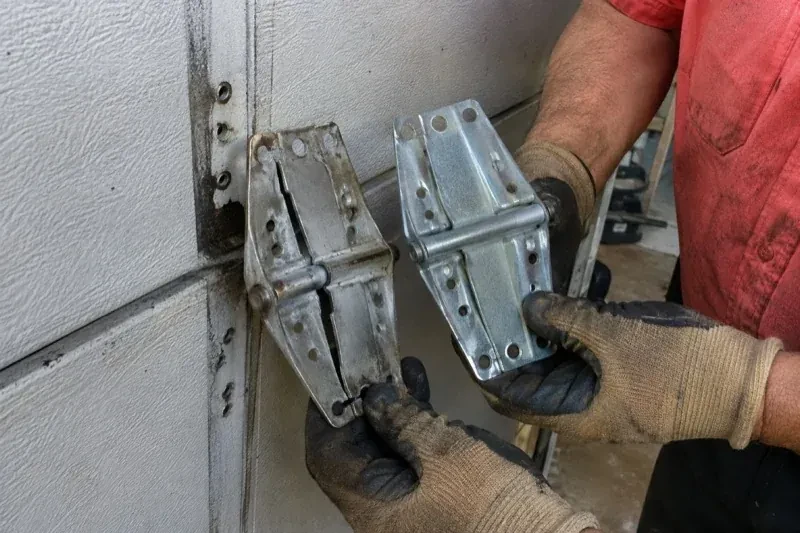
- Garage Door Hinge ReplacementWatching from inside as the door opens, you can see the gap between the second and third panels open up on one side as they turn the corner into the ceiling, then close again.
- Garage Door Track Repair or ReplacementAfter a decade of slushy winters the bottom foot of the track is flaking rust.
- Torsion Spring ReplacementOne side of the door sits higher than the other in the tracks, and a lift cable is hanging slack or has jumped off its drum.